
Italy Navigates Diplomatic Tightrope: Joining the US Summit on Far-Left Terrorism
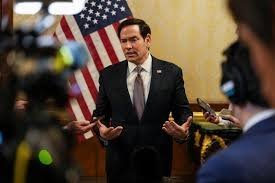
In the fast-paced world of global political news today, a contentious diplomatic move has captured international attention. The Italian government has officially confirmed its participation in a high-stakes summit convened by U.S. Secretary of State Marco Rubio. The objective? To combat what the U.S. administration describes as the “rebirth of transnational far-left terrorism.”
A Calculated Presence: Meloni’s Strategic Choice
Following a period of intense deliberation led by Prime Minister Giorgia Meloni, Italy has decided to send a political representation to Washington. However, in a move that signals caution, the delegation will not be led by top-tier officials. Instead, an undersecretary will represent Italy, marking a presence that satisfies diplomatic obligations without fully endorsing the summit’s more polarizing undertones.
This decision comes amidst a complex relationship between Meloni and the Trump administration, characterized by recent frictions and public social media spats, highlighting the delicate nature of current international relations.
The Antifa Controversy: Security or Political Tool?
While the U.S. Department of State frames the initiative as a necessary response to a “re-emerging old threat,” many international observers see a different narrative. There are growing concerns that the summit is less about global security and more of a targeted crusade against the Antifa movement.
- n
- Domestic Repression: Some U.S. officials fear the administration is using anti-terrorism tools to suppress domestic left-wing activists.
- Legal Escalation: After previously labeling Antifa a domestic terrorist organization, the administration may seek to classify it as “foreign terrorism” to unlock advanced surveillance powers.
- Political Boomerang: Critics warn that setting this precedent could allow future Democratic administrations to use similar tactics against conservative groups.
Global Skepticism and European Pushback
The invitation, extended to over 60 countries, has been met with widespread perplexity. Many European nations, along with representatives from Latin America and Asia, have expressed discomfort. The primary grievances include the short notice of the meeting and the vagueness of its objectives.
“We don’t have Antifa. Our law enforcement does not focus on left-wing terrorism because it is not considered a priority threat in our country,” noted one European diplomat, echoing the sentiment of several EU member states.
The Internal Divide in Italy
Domestically, the decision has sparked a firestorm of criticism. Opposition parties in Italy have slammed the move, comparing the summit to the era of McCarthyism and an “ideological witch hunt.” They argue that the initiative attempts to criminalize social dissent and anti-fascism, transforming them into matters of public order rather than political expression.
As Washington prepares to host this controversial gathering, the world watches to see if this summit will lead to genuine security cooperation or further polarize the geopolitical landscape of today’s news.



