DOJ Seeks Judges Recusal in High-Stakes Immigration Cases
Judicial Impartiality Under Fire: DOJ Moves to Disqualify Minnesota Judges in Immigration Battles
In a significant clash between the executive branch and the federal judiciary, the Department of Justice (DOJ) is aggressively seeking the recusal of two Minnesota federal judges. The move comes after the judges publicly criticized the Trump administration’s strict immigration enforcement strategies in a high-profile interview with the New York Times.
The DOJ argues that the judges’ public statements have compromised their ability to remain impartial, potentially undermining public trust in the legal system. This legal maneuver highlights the growing tension surrounding Operation Metro Surge and the broader immigration crackdown.
The Judges at the Center of the Storm
The recusal motions target two specific judges presiding over critical immigration cases:
- n
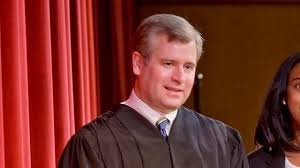
- Judge Patrick Schiltz: Currently overseeing a case to strip U.S. citizenship from Salah Osman Ahmed, a Somali-born man convicted of providing material support to terrorists.
- Judge John Tunheim: Presiding over the prosecution of a South African national accused of illegal voting in the 2024 election through fraudulent citizenship claims.
Why the DOJ is Demanding Recusal
The controversy stems from a September report by the New York Times, where several Minnesota judges expressed concerns about the administration’s tactics. Judge Schiltz reportedly described the government’s handling of immigration operations as a “grave threat to the rule of law,” while Judge Tunheim questioned whether agents were focusing on the most dangerous criminals.
According to a statement released by the DOJ on X (formerly Twitter), “impartiality is imperative to ensuring public trust in our Nation’s judiciary.” The department asserts that the judges’ “highly partisan” participation in the media calls their neutrality into question, especially in cases involving denaturalization and illegal immigration.
The Judges’ Defense: Rule of Law vs. Political Bias
The judges have not remained silent. Judge Schiltz has previously argued that his comments were not about the merits of specific cases, but rather a defense of the rule of law and compliance with court orders. From his perspective, discussing the systemic application of the law does not warrant stepping down from a case.
Expert Perspective: A “Big No-No” in Judicial Ethics
Legal experts suggest that these public disclosures were a risky move. Charles “Cully” Stimson, a senior legal fellow at the Heritage Foundation, noted that federal judges typically avoid the press to maintain the appearance of neutrality.
“These judges did something extraordinarily imprudent… to talk to any newspaper, much less the New York Times. That was a big no-no,” Stimson remarked.
What Happens Next?
If Judges Schiltz and Tunheim deny the requests to recuse themselves, the DOJ may escalate the matter to the Eighth Circuit Court of Appeals. A three-judge panel would then determine if the legal standard for recusal has been met.
This battle serves as a critical test for the boundaries of judicial expression and the administration’s efforts to ensure its immigration agenda is adjudicated by perceived neutral parties.
📰 You May Also Like