
Escalating Tensions in the Middle East: A CNN Update
The situation in the Middle East remains highly volatile, with escalating tensions between the US, Israel, and Iran. Recent developments, as reported by CNN, paint a concerning picture of potential widespread conflict and a deepening energy crisis. This article provides a comprehensive overview of the latest updates, threats, and regional impacts.
Threats of Military Action and Retaliation
The crisis reached a critical point when US President Donald Trump issued a stark warning, stating he would order the bombardment of Iran’s power plants if the Strait of Hormuz wasn’t fully open to shipping within 48 hours. This ultimatum prompted immediate and forceful responses from Iran, vowing retaliation. Iran’s military has declared its readiness to close the Strait of Hormuz indefinitely and attack regional infrastructure should Trump follow through with his threat.
Adding to the tension, Iran warned it would deploy mines around the entire Persian Gulf if its coasts or islands are attacked, effectively blocking access routes and communication lines. This move, as reported by state media, underscores the severity of the situation and the potential for a wider regional conflict. The International Energy Agency (IEA) has warned that the current energy crisis is even more severe than the oil shocks of the 1970s, with potentially devastating consequences for the global economy.
Regional Impacts and Concerns
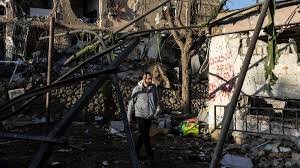
The conflict is already taking a toll on the region. Reports indicate thousands of casualties in Iran and Lebanon, with ongoing attacks continuing across the region. Strikes have been reported in Tehran, and Saudi Arabia intercepted ballistic missiles aimed at Riyadh. The United Arab Emirates (UAE) has criticized the lack of support from other Arab and Islamic nations, highlighting a growing sense of isolation in the face of Iranian aggression. Anwar Gargash, advisor to the UAE president, emphasized the need for stronger regional cooperation and criticized the absence of support from “major” Arab countries.
Energy Crisis and Economic Fallout
The potential closure of the Strait of Hormuz, a vital waterway for global oil supplies, is fueling a significant energy crisis. Consumers worldwide can expect to pay more for goods and travel as energy prices surge. The IEA chief, Fatih Birol, described the situation as a “major, major threat” to the global economy, noting that the crisis impacts all supply chains, not just energy. He highlighted the potential for rationing and Covid-style measures to conserve energy, with poorer nations likely to suffer the most.
Iran is reportedly moving forward with monetizing control over the Strait of Hormuz, effectively charging tankers for passage. This move further exacerbates the crisis and adds to the economic uncertainty. The disruption to LNG exports from Qatar, coupled with limited alternative supply sources, is intensifying the pressure on global energy markets.
Friendly Fire Incident and Ongoing Investigations
A tragic incident involving friendly fire has added another layer of complexity to the situation. An Israeli civilian was killed after artillery shells were mistakenly fired at a kibbutz near the border with Lebanon. The Israel Defense Forces (IDF) has launched an investigation into the incident, acknowledging that the artillery fire was carried out at an incorrect angle and failed to follow required protocols.
International Response and Diplomatic Efforts
British Prime Minister Keir Starmer and US President Donald Trump discussed the crisis in a phone call, agreeing on the importance of reopening the Strait of Hormuz. However, Trump has also leveled criticism at European allies for their reluctance to provide military assistance. NATO Secretary General Mark Rutte expressed confidence in the alliance’s ability to reopen the strait, emphasizing the need for careful calibration of the response.
Humanitarian Concerns and Aid Efforts
The conflict is causing significant humanitarian suffering. Relief workers are providing aid to the injured in areas affected by airstrikes in Iran, with reports of damaged infrastructure, including medical centers, schools, and ambulances. The Iranian Red Crescent Society has reported extensive damage to civilian units across the country.
Stay updated with the latest developments on CNN.



