
China-US Tech War: Beijing Hits Back with Strategic Sanctions
In a bold move that underscores the intensifying rivalry between the world’s two largest economies, Beijing has announced a comprehensive series of retaliatory measures targeting United States firms. This strategic escalation comes as both nations navigate a precarious balance between economic interdependence and a fierce technological cold war.
The Retaliation: What is Beijing Targeting?
The Chinese Ministry of Commerce has officially implemented sanctions against several American entities, signaling that it will not remain passive in the face of Washington’s restrictions. The measures are designed to strike at the heart of high-tech industries and resource management.
Key highlights of the new restrictions include:
- n
- Targeted Entities: Multiple US firms, including those specializing in biotechnology and resource analytics, have been blacklisted.
- Drone Technology: China, the global leader in UAV manufacturing, is tightening export controls on drones and critical components destined for the US.
- Hardware Surveillance: Beijing has launched a national security investigation into imported office equipment utilizing foreign system software.
- Operational Cuts: Certain factory tracking inspection collaborations with the US have been suspended.
The Root of the Conflict: A Tit-for-Tat Cycle
This latest wave of sanctions is not an isolated event but a response to a series of aggressive moves by the Trump administration. Beijing claims these “necessary countermeasures” are direct responses to several US policies:
- Human Rights Allegations: The US recently banned imports from 43 Chinese companies over alleged human rights abuses involving Uyghur and other minority groups.
- Robotics Bans: The Federal Communications Commission (FCC) recently restricted imports of new humanoid and quadruped robots, largely manufactured in China.
- National Security Concerns: Washington continues to cite national security as the primary reason for banning foreign-made drone models and critical infrastructure equipment.
The Geopolitical Chessboard: The Xi-Trump Summit
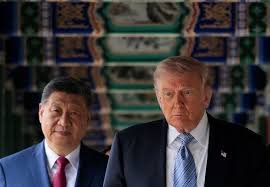
Ironically, this escalation is occurring just weeks before a highly anticipated summit between Chinese leader Xi Jinping and President Donald Trump. While the public rhetoric remains hostile, diplomatic channels are still humming in the background.
Recent activity suggests a desire for “constructive strategic stability”:
- Top economic officials have held trade discussions via video links.
- High-level diplomatic visits in July served as planning trips for the upcoming summit.
The world is watching closely to see if this meeting can pivot the relationship from a cycle of tariffs and blacklists toward a sustainable trade agreement, or if the tech rivalry will push the two superpowers further apart.
What’s Next for Global Trade?
As the US threatens further sanctions on Chinese AI firms and shipping operators, the volatility of the World Trade Organization (WTO) landscape increases. For businesses operating in Canada and globally, the uncertainty of the China-US relationship remains the primary risk factor for supply chain stability in 2026.



