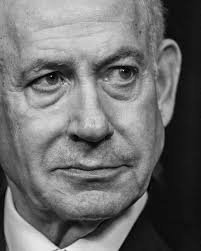
Benjamin “Bibi” Netanyahu is a towering, and often controversial, figure in Israeli politics. Serving as Prime Minister for a record-breaking 15 years (1996-1999 and 2009-2021, and again from 2022-present), his tenure has been marked by significant shifts in Israeli policy, complex geopolitical maneuvering, and a constant stream of domestic and international scrutiny. This article delves into his political journey, key policies, the controversies that have dogged his career, and the challenges he faces today.
Early Life and Political Ascent
Born in Jerusalem in 1949, Netanyahu’s family has deep roots in Israeli history. His father, Benzion Netanyahu, was a historian and staunch Zionist. Bibi Netanyahu received a degree in architecture from MIT and later worked as a consultant for the Boston Consulting Group before entering politics. He quickly rose through the ranks of the Likud party, becoming a prominent voice advocating for a hawkish stance on security issues and a free-market economic approach. His first term as Prime Minister, beginning in 1996, coincided with the Oslo Accords and a period of intense negotiations with the Palestinians.
Key Policies and Achievements
Netanyahu’s political platform consistently centers around national security, economic liberalism, and a strong alliance with the United States. During his time in office, he has overseen significant economic growth, particularly in the tech sector, transforming Israel into a global innovation hub. He’s championed policies aimed at reducing government regulation and fostering entrepreneurship. On the security front, he has prioritized strengthening Israel’s military capabilities and taking a firm stance against perceived threats from Iran and militant groups like Hamas and Hezbollah. A key achievement often cited by supporters is the normalization of relations with several Arab nations through the Abraham Accords, brokered in 2020.
Learn more about the Abraham Accords.
Controversies and Legal Challenges
Netanyahu’s career has been consistently shadowed by controversy. He has faced accusations of corruption, including charges of bribery, fraud, and breach of trust. These allegations led to multiple indictments and a protracted legal battle. His critics accuse him of polarizing Israeli society and undermining democratic institutions. Furthermore, his handling of the Israeli-Palestinian conflict has drawn international criticism, with concerns raised about settlement expansion and the humanitarian situation in Gaza. The ongoing judicial overhaul proposed by his government in 2023 has sparked massive protests across Israel, raising concerns about the future of Israeli democracy.
Human Rights Watch on Israel and Palestine.
Current Challenges and Future Outlook
As of late 2023, Netanyahu faces a complex array of challenges. The ongoing war with Hamas following the October 7th attacks presents an unprecedented security crisis. Internally, he must navigate deep political divisions and address the concerns of a population deeply fractured by the proposed judicial reforms. Internationally, he needs to maintain strong relationships with key allies, particularly the United States, while managing the fallout from the conflict in Gaza. The future of Netanyahu’s leadership, and indeed the future of Israel, remains uncertain. His legacy will undoubtedly be debated for years to come, marked by both significant achievements and enduring controversies.
Understanding the complexities surrounding Bibi Netanyahu is crucial for anyone seeking to grasp the nuances of Israeli politics and the broader Middle Eastern landscape.