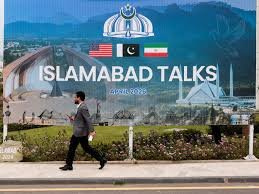
The ongoing negotiations between the United States and Iran in Pakistan are reportedly facing a significant challenge centered around the strategically vital Strait of Hormuz. This narrow waterway, connecting the Persian Gulf to the Arabian Sea and the Indian Ocean, is a crucial chokepoint for global oil supplies, and its control – or even perceived security – is a major point of contention.
The Strait of Hormuz: A Geopolitical Hotspot
The Strait of Hormuz is arguably one of the world’s most important maritime passages. Approximately 20% of the world’s oil supply passes through it daily, making it a critical artery for the global economy. Iran has repeatedly threatened to disrupt shipping through the Strait in response to sanctions imposed by the US and its allies. These threats, coupled with past incidents involving Iranian naval forces harassing commercial vessels, have heightened tensions in the region.
During these current talks in Pakistan, the US is seeking assurances that Iran will not interfere with the free flow of commerce through the Strait. Iran, in turn, is likely seeking guarantees regarding its own economic interests and security, potentially including a relaxation of sanctions and assurances against military intervention. The delicate balance between these demands is proving to be a major stumbling block.
What’s at Stake in the US-Iran Negotiations?
The stakes in these negotiations are incredibly high. A failure to reach an agreement could lead to further escalation of tensions, potentially triggering a wider conflict in the Middle East. The implications for global energy markets would be severe, with oil prices likely to surge. Conversely, a successful outcome could pave the way for a de-escalation of tensions, a potential easing of sanctions, and a return to a more stable regional environment.
Analysts suggest that the Pakistani government’s role as a mediator is crucial. Pakistan shares close ties with both Iran and Saudi Arabia, and its neutrality could help bridge the gap between the two sides. However, the complexities of the situation and the deep-seated mistrust between the US and Iran mean that a breakthrough is far from guaranteed.
Recent Developments & Future Outlook
Recent reports indicate that the negotiations are proceeding slowly, with both sides remaining firm on their core positions. The US State Department has issued a statement reiterating its commitment to diplomacy, but also warning that it will continue to take steps to protect its interests in the region. Iran’s Supreme Leader has also emphasized the need for a fair and equitable agreement, warning against any attempts to impose unreasonable demands.
The coming days and weeks will be critical in determining the fate of these negotiations. The world will be watching closely to see whether the US and Iran can overcome their differences and find a path towards a more peaceful and stable future. For further insights into the geopolitical landscape of the Middle East, consider exploring resources from the Council on Foreign Relations and Chatham House.