Oil and the Strait of Hormuz: Iran Reasserts Control Amidst US Blockade
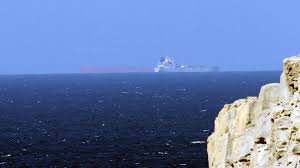
April 18, 2026 – Iran announced on Saturday that it has reestablished “strict control” over the Strait of Hormuz, responding to the blockade imposed by the United States on Iranian ports. This move raises significant concerns about global oil supply and geopolitical stability.
According to Lieutenant Colonel Ebrahim Zolfagari, spokesperson for the Central Headquarters of Khatam al-Anbiya, “Control of the Strait of Hormuz has returned to its previous state, and this strategic waterway is now under strict management and control by the Armed Forces.” This statement, released by the Tasnim news agency, indicates a tightening of restrictions on transit through one of the world’s most critical energy chokepoints, handling approximately 20% of global oil traffic.
Limited Passage and US Blockade
Zolfagari explained that Tehran had previously authorized “limited and managed” passage for some oil tankers and commercial vessels as a “gesture of goodwill” during negotiations. However, this measure has been revoked due to the continuation of the US blockade, which Iran characterizes as a repeated breach of agreement by Washington.
“As long as the United States does not restore full freedom of transit for vessels from Iran and to Iran, the situation in the Strait of Hormuz will remain under rigorous control,” Zolfagari affirmed. This stance underscores Iran’s willingness to leverage its control over the Strait to pressure the US to lift the blockade.
Parliamentary Warnings and US Claims
Mohamad Baqer Qalibaf, Speaker of the Iranian Parliament, stated on X (formerly Twitter) that the Strait of Hormuz “will not remain open” if the US blockade persists. He also denounced what he called “false claims” made by US President Donald Trump regarding the waterway and peace negotiations. “With these lies, you did not win the war, and you will certainly not achieve anything in the negotiations,” Qalibaf stated, referencing his role as the head of the Iranian delegation in recent talks with the US in Islamabad.
Qalibaf further indicated that transit through the Strait will be conducted along “designated routes” and with “authorization from Iran.” This highlights Iran’s intention to dictate the terms of passage through the vital waterway.
In contrast, President Trump declared on Friday in Arizona that the Strait is “completely open” for commerce and even suggested the possibility of entering Iran to extract enriched uranium alongside the Islamic Republic. This proposal was swiftly rejected by Foreign Ministry spokesperson Ismail Bagaei, who assured that uranium will not leave the country.
Regional Tensions and Ongoing Conflicts
The situation unfolds against a backdrop of heightened regional tensions. Air raid sirens in Israel have been silent for over 24 hours, with the most recent alert on Friday in a border community with Lebanon proving to be a false alarm. Since the start of the conflict with Iran on February 28th, Israel has been targeted by numerous missile, drone, and rocket attacks from Iran, Hezbollah in Lebanon, and the Houthis in Yemen. These attacks continued until the ceasefire began on Friday, with Hezbollah maintaining fire until that point.
Major urban areas like Jerusalem and Tel Aviv, as well as localities in southern and northern Israel, activated emergency protocols, forcing residents to seek shelter in bunkers and protected rooms day and night. Israeli Prime Minister Benjamin Netanyahu affirmed on Friday that Israel maintains its objectives on the northern front, particularly the “dismantling” of the Hezbollah terrorist group, warning that the campaign is not over.
From Beirut, Lebanese President Joseph Aoun stated that negotiations with Israel are at a “delicate and crucial” stage and called for strengthening national responsibility as international attention focuses on the country, aiming to consolidate the ceasefire.
Further Reading: Council on Foreign Relations – Iran