Cuba Fuel Crisis: US Embassy Request Denied Amidst Growing Power Struggles
WASHINGTON (AP) – A deepening crisis in Cuba has taken a new turn as the Cuban government has refused a request from the U.S. Embassy in Havana to import diesel fuel for its generators. This denial comes as the Trump administration maintains a strict fuel blockade on the island, exacerbating existing hardships for the Cuban population.
Two U.S. officials, speaking on condition of anonymity, revealed that the State Department is considering a reduction in staffing at the Havana embassy due to the diesel shortage. Such a move would likely prompt a reciprocal reduction in staffing at the Cuban Embassy in Washington. The Washington Post first reported on the Cuban government’s rejection.
The Roots of the Crisis
Cuba’s energy woes stem from the loss of heavily subsidized oil shipments from Venezuela following the removal of its leader. President Trump further complicated the situation by threatening tariffs on any nation continuing to supply Cuba with oil. While Cuba is attempting to diversify its energy sources with natural gas, solar power, and domestic oil production, these efforts are insufficient to meet the country’s needs.
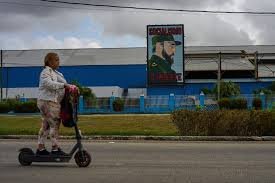
The consequences are widespread and severe. Millions of Cubans are struggling to preserve food, hospitals are cancelling surgeries, and the leading university has been forced to reduce classes due to frequent power outages and transportation disruptions. The situation is creating significant hardship for the nation’s 11 million residents.
Political Pressure and US Ambitions
The diesel standoff is occurring against a backdrop of intense political pressure from the Trump administration on the government of Cuban President Miguel Díaz-Canel. Trump and Secretary of State Marco Rubio have expressed a desire to expand U.S. influence in Cuba, demanding the release of political prisoners and a move towards political and economic liberalization in exchange for lifting sanctions. Reports suggest the administration is seeking Díaz-Canel’s removal from power, though no clear successor has been identified.
Trump has repeatedly suggested that the Cuban government is on the verge of collapse, even stating he believes he could “take Cuba” in some form. He alluded to the fate of former Venezuelan President Nicolás Maduro, who was ousted with U.S. involvement and now faces charges in New York.
Limited Options and International Aid
While the U.S. Embassy has enough diesel reserves to last approximately one month, options for securing additional fuel within Cuba are limited due to tight government control. One official noted that the Spanish Embassy, which had a surplus of diesel intended for now-closed hotels, was denied permission to share it with other European embassies facing shortages.
Cuba has confirmed holding talks with the U.S. government, marking the first official acknowledgement of discussions amidst the ongoing pressure campaign. Humanitarian organizations have begun delivering aid, including solar panels, food, and medicine. Furthermore, Cuba is anticipating a shipment of Russian oil later this month, its first in three months, offering a potential, albeit temporary, respite from the fuel crisis. Reuters provides further details on the situation.
The situation remains fluid and underscores the complex interplay of political, economic, and humanitarian factors impacting Cuba’s future.