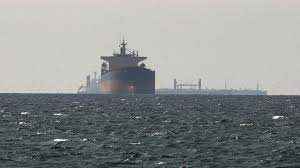
The Strait of Hormuz, a narrow waterway connecting the Persian Gulf to the Gulf of Oman and the Arabian Sea, is arguably one of the world’s most strategically important chokepoints. Through it passes approximately 20% of the world’s oil supply, making its security paramount to global energy markets and international stability. While geographically distant, Canada maintains a vested interest in the security of this vital passage, operating through a network of allies and international partnerships.
Why Does the Strait of Hormuz Matter to Canada?
Though Canada isn’t a major direct consumer of oil transiting the Strait of Hormuz, disruptions to global oil supply inevitably impact prices worldwide, affecting the Canadian economy. Furthermore, Canada’s commitment to multilateralism and international security compels it to contribute to maintaining stability in key regions. A destabilized Strait of Hormuz could lead to broader regional conflicts, impacting global trade and potentially requiring a larger international response – one Canada would likely be expected to support, even if indirectly.
Canada’s Allies and Partnerships in the Region
Canada doesn’t have a significant independent military presence in the Persian Gulf. Instead, it operates primarily through its strong relationships with key allies, particularly the United States and the United Kingdom. These nations have a long-standing commitment to maritime security in the region. Canada frequently coordinates its foreign policy and defense strategies with these partners, contributing to joint efforts aimed at deterring aggression and ensuring freedom of navigation.
Specifically, Canada has participated in Combined Maritime Forces (CMF), a multinational naval partnership led by the United States, focused on security, stability, and prosperity in the Arabian Sea and the Gulf of Aden. While Canadian participation fluctuates based on operational needs and government priorities, it demonstrates a consistent willingness to contribute to regional security. The CMF works to counter piracy, terrorism, and illicit activities. You can learn more about the CMF at their official website: https://www.cmf.navy.mil/
The Geopolitical Landscape of the Strait of Hormuz
The Strait of Hormuz is bordered by Iran and Oman, and its security is heavily influenced by regional power dynamics. Iran has repeatedly threatened to disrupt shipping through the Strait in response to sanctions and political pressure. This has led to increased tensions and a heightened military presence from the US and its allies. The potential for miscalculation or escalation remains a significant concern. Understanding these complexities is crucial for Canada’s informed engagement in the region.
Canada’s Approach to Regional Stability
Canada’s approach to the Hormuz region is characterized by diplomacy, multilateralism, and a commitment to de-escalation. Rather than a direct military interventionist strategy, Canada focuses on supporting international efforts to resolve conflicts peacefully and promote regional stability. This includes providing diplomatic support for negotiations, contributing to humanitarian assistance programs, and working with allies to deter aggressive behavior. Canada also actively supports international law and the principle of freedom of navigation.
The Canadian government consistently emphasizes the importance of a rules-based international order and the need for all parties to respect international law. This stance is reflected in its engagement with the Hormuz region and its commitment to working with allies to address shared security challenges. For further information on Canada’s foreign policy, visit Global Affairs Canada.
Looking ahead, Canada’s role in the Strait of Hormuz will likely continue to be defined by its commitment to multilateralism and its close partnerships with the United States and the United Kingdom. Maintaining a stable and secure Strait of Hormuz remains a critical objective for Canada, contributing to global energy security and international peace.