Hawaii is reeling from a series of intense flash floods, with the island of Maui bearing the brunt of the devastation. Unprecedented rainfall triggered widespread flooding, landslides, and significant damage to infrastructure, leaving communities struggling to cope. This article provides the latest updates on the situation, details the ongoing recovery efforts, and offers crucial safety information.
The Maui Flash Flood Crisis: What Happened?
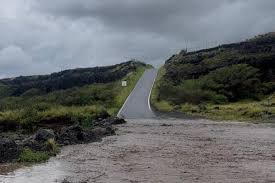
The recent flooding in Maui was caused by a slow-moving weather system that dumped torrential rain on the island. The rainfall exceeded historical averages, overwhelming drainage systems and causing rivers to overflow their banks. Areas like Kihei, Lahaina, and Wailuku were particularly hard hit, with reports of homes and businesses inundated with water and debris. The National Weather Service issued numerous flash flood warnings, but the sheer volume of rain proved overwhelming.
The situation was exacerbated by the island’s mountainous terrain, which funneled water into valleys and low-lying areas, creating dangerous flash flood conditions. Landslides blocked roads, isolating communities and hindering rescue efforts. Power outages were widespread, further complicating the response.
Impact and Damage Assessment
The immediate impact of the flash floods has been significant. Hundreds of residents have been displaced, seeking shelter in emergency facilities. Damage to homes, businesses, and infrastructure is extensive, with preliminary estimates running into the millions of dollars. The agricultural sector has also suffered substantial losses, impacting local food supplies. The full extent of the damage is still being assessed as rescue teams gain access to previously isolated areas.
- Infrastructure Damage: Roads, bridges, and power lines have been severely damaged.
- Residential Impact: Hundreds of homes have been flooded or destroyed.
- Economic Losses: Businesses have suffered significant financial setbacks.
- Agricultural Impact: Crops have been destroyed, impacting local food production.
Recovery Efforts Underway
Emergency responders, including the Hawaii National Guard and the Federal Emergency Management Agency (FEMA), are working tirelessly to assist those affected by the floods. Search and rescue operations are ongoing, with teams focused on locating and assisting stranded residents. Shelters have been established to provide food, water, and medical care to those displaced from their homes. Efforts are also underway to restore power and clear debris from roads.
The American Red Cross is playing a crucial role in providing disaster relief, offering support to affected families. You can find information on how to donate and volunteer on their website: https://www.redcross.org/. The State of Hawaii has also established a disaster relief fund to support recovery efforts. More information can be found on the official state government website: https://governor.hawaii.gov/
Safety Tips During and After Flash Floods
Flash floods are incredibly dangerous. Here are some essential safety tips:
- Heed Warnings: Pay attention to flash flood warnings issued by the National Weather Service.
- Seek Higher Ground: If a flash flood is imminent, move to higher ground immediately.
- Avoid Floodwaters: Do not walk or drive through floodwaters. Even shallow water can be dangerous.
- Be Aware of Landslides: Be cautious of areas prone to landslides, especially after heavy rainfall.
- Stay Informed: Monitor local news and weather reports for updates.
The situation in Maui remains fluid. Continued rainfall is expected, and the risk of further flooding remains high. Staying informed and taking necessary precautions is crucial for ensuring safety and supporting the recovery efforts. The resilience of the Hawaiian people is being tested, but their spirit remains strong.