
## Weather Tornado Warning: Oklahoma and Texas Under Threat
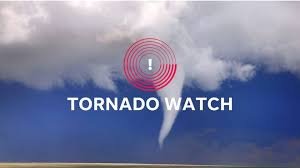
The National Weather Service (NWS) has issued a tornado watch for a large area encompassing Norman, Oklahoma, and extending into parts of Texas, effective from 3:20 p.m. until 11 p.m. CDT on Tuesday, April 14th. This watch covers a significant number of counties, urging residents to remain vigilant and prepared for potential severe weather.
**Affected Counties:**
* **Oklahoma:** Alfalfa, Beckham, Blaine, Caddo, Canadian, Cleveland, Comanche, Cotton, Custer, Dewey, Garfield, Garvin, Grady, Grant, Greer, Harmon, Jackson, Jefferson, Kay, Kingfisher, Kiowa, Lincoln, Logan, McClain, Major, Noble, Oklahoma, Payne, Pottawatomie, Stephens, Tillman, Washita
* **Texas:** Archer, Baylor, Clay, Foard, Hardeman, Knox, Wichita, Wilbarger
This includes numerous cities such as Altus, Anadarko, Blackwell, Chickasha, Clinton, Duncan, Enid, Lawton, Norman, Oklahoma City, and Wichita Falls. You can find a complete list of impacted cities [here](https://www.weather.gov/).
### Understanding the Difference: Tornado Watch vs. Tornado Warning
It’s crucial to understand the difference between a tornado *watch* and a tornado *warning*:
* **Tornado Watch:** Conditions are *favorable* for tornadoes to develop in the watch area. This means be prepared, stay informed, and have a safety plan ready. The atmosphere is primed for severe weather, but a tornado hasn’t been sighted.
* **Tornado Warning:** A tornado has been *sighted* or indicated by weather radar, and poses an *immediate threat* to life and property. **Take shelter immediately!**
### Safety Tips During a Tornado
The NWS provides critical safety recommendations during a tornado event:
* **Don’t rely on terrain:** Tornadoes can cross hills and bodies of water. Elevation and proximity to water offer no natural protection.
* **If driving:** Do *not* attempt to outrun a tornado. They are unpredictable and can change direction rapidly. Safely leave the road and seek sturdy shelter.
* **Avoid highway overpasses:** While seemingly protective, overpasses can actually *increase* wind speed, creating a dangerous wind tunnel.
* **Seek sturdy shelter:** The safest place to be is in a well-constructed building, ideally a basement or interior room on the lowest level.
* **If no building is available:** Lie flat in a ditch or culvert, covering your head with your arms.
**Resources for Staying Informed:**
* [National Weather Service](https://www.weather.gov/)
* [The Weather Channel](https://weather.com/)
* Local News Channels
Stay updated on the latest weather alerts and forecasts to ensure your safety and the safety of your loved ones. Remember, preparedness is key when facing severe weather conditions. This report was generated using information from the National Weather Service.



