
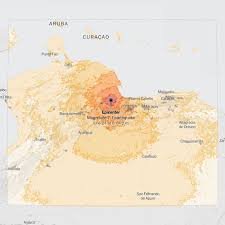
Venezuela Earthquake: Understanding the Seismic Risks and How to Stay Safe
Living in a region with active tectonic plates can be unsettling, and for those in Venezuela, the threat of a Venezuela earthquake is a geological reality. Whether you are a resident, a traveler, or someone interested in global seismic trends, understanding why this region is prone to tremors is the first step toward safety and preparedness.
Why Does Venezuela Experience Earthquakes?
Venezuela’s seismic activity is not random; it is the result of complex geological interactions. The country sits atop a volatile boundary where two major tectonic plates meet: the Caribbean Plate and the South American Plate.
As these massive slabs of the Earth’s crust grind past each other, tension builds up over decades. When the stress becomes too great, the crust snaps, releasing a massive burst of energy in the form of seismic waves. This process is what triggers an earthquake, often affecting coastal regions and the northern parts of the country more intensely.
The Impact of Seismic Events in the Region
Earthquakes in Venezuela can range from barely perceptible tremors to devastating events that threaten infrastructure. The risk is compounded by several factors:
- n
- Urban Density: Major cities are often built in areas with high seismic potential.
- Infrastructure Quality: Older buildings may not meet modern anti-seismic engineering standards.
- Secondary Hazards: Depending on the epicenter, earthquakes can trigger landslides in mountainous areas.
For real-time monitoring and global data on seismic events, the United States Geological Survey (USGS) provides the most accurate and up-to-date information on earthquake magnitudes and locations worldwide.
Essential Safety Tips: What to Do During an Earthquake
While we cannot predict exactly when a Venezuela earthquake will strike, we can control how we respond. Following these evidence-based safety protocols can save lives:
1. If You Are Indoors: Drop, Cover, and Hold On
Avoid running outside during the shaking, as falling debris from building facades is a primary cause of injury. Instead:
- Drop to your hands and knees.
- Cover your head and neck under a sturdy table or desk.
- Hold On to your shelter until the shaking stops.
2. If You Are Outdoors
Move away from buildings, streetlights, utility poles, and overhead wires. Find an open area where nothing can fall on you.
3. If You Are in a Vehicle
Pull over to a clear location, stop the car, and stay inside until the shaking ends. Avoid stopping under bridges or overpasses.
Preparing Your Emergency Kit
Preparation is the best defense. Every household should have a basic emergency kit ready to go. Ensure yours includes:
- Water: At least one gallon per person per day for three days.
- Non-perishable Food: Canned goods and high-energy snacks.
- First Aid Kit: Bandages, antiseptics, and essential medications.
- Communication Tools: A battery-powered radio and a flashlight with extra batteries.
- Important Documents: Copies of IDs and insurance policies in a waterproof bag.
Conclusion
Although the prospect of a Venezuela earthquake can be frightening, knowledge and preparation reduce panic and increase survival rates. By understanding the tectonic nature of the region and implementing a rigorous safety plan, you can better protect yourself and your loved ones.
Stay informed, stay prepared, and always follow the guidelines provided by local civil protection authorities.



