
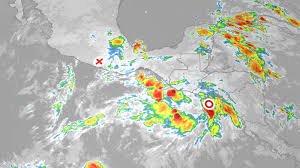
Tropical Storm Cristina: Central America on High Alert for Flooding and Landslides
The Eastern Pacific Basin is signaling the start of a potentially volatile season. Following in the footsteps of Tropical Storms Amanda and Boris, a new threat has emerged: Tropical Storm Cristina. Currently crawling north, Cristina is posing a significant risk to coastal regions in Central America, specifically targeting El Salvador and Nicaragua.
What is Tropical Storm Cristina?
Formed on Monday afternoon just off the coast of Nicaragua, Tropical Storm Cristina is characterized by maximum sustained winds ranging from 39 to 73 mph. While it may not reach the intensity of a major hurricane, its slow movement makes it a dangerous system.
Weather experts and platforms like AccuWeather are closely monitoring the system as it navigates deep, warm waters. However, due to its projected path, the storm is expected to make landfall in El Salvador and dissipate shortly thereafter, likely by Thursday.
Critical Risks: Flooding and Landslides
It is a common misconception that only high-category hurricanes cause devastation. In reality, the most dangerous element of a storm like Cristina is often the precipitation. The combination of slow movement and the mountainous terrain of Central America creates a “lifting” effect on moist air, leading to extreme rainfall.
Expected Impacts:
- Heavy Rainfall: Over 6 inches of rain are anticipated in parts of El Salvador, northwest Nicaragua, and southern Guatemala.
- Flash Floods: Life-threatening flooding is expected in low-lying areas.
- Landslides: Hilly and mountainous coastal regions are at high risk of mudslides due to saturated soil.
- Coastal Surge: High surf and coastal flooding are likely along the Pacific coast.
Stay Informed and Prepared
Tropical storm warnings have already been issued for parts of the Central American Pacific coast. Residents in affected areas are urged to follow local emergency protocols and stay updated via official channels such as the National Hurricane Center (NHC).
As the 2026 season unfolds, staying vigilant with real-time tracking and accurate forecasting is the best way to ensure safety against the unpredictable nature of tropical cyclones.



