
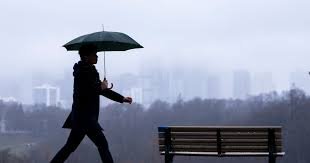
Toronto Weather Alert: Severe Thunderstorms and Hazardous Air Quality Hit the City
Residents of the Greater Toronto Area (GTA) are facing a challenging weather outlook today. A combination of atmospheric instability and environmental hazards has left the city under both a severe thunderstorm watch and an air quality warning. With wildfire smoke continuing to blanket the region, staying informed is crucial for your health and safety.
Air Quality Crisis: Wildfire Smoke Lingers Over Toronto
Environment Canada has reported that smoke from wildfires in northwestern Ontario continues to drift south, severely impacting the air we breathe. While the national weather agency has officially downgraded the air quality alert from Orange to Yellow, the situation remains concerning.
What is the difference between the alerts?
- n
- Orange Alert: Indicates severe weather likely to cause significant health impacts or disruption over several days.
- Yellow Alert: Suggests hazardous weather may cause moderate, localized, or short-term health impacts.
Despite the downgrade, Toronto has recently struggled with some of the worst air quality globally. According to data from IQAir, the city has fluctuated between the “Unhealthy” and “Hazardous” categories, often ranking alongside major U.S. cities like New York and Washington D.C.
Severe Thunderstorm Watch: Wind and Hail Expected
As if the air quality weren’t enough, a cold front moving southeast from Michigan is bringing volatile weather to Toronto. Environment Canada warns that thunderstorms are expected to develop around noon and persist throughout the afternoon.
Key weather threats to watch for:
- n
- Powerful Wind Gusts: Potential speeds reaching up to 110 km/h.
- Heavy Precipitation: Expected rainfall between 25 and 40 millimetres.
- Hail: Possible hail ranging in size from quarters to ping pong balls.
Local Impacts: Caribbean Junior Carnival Rescheduled
The inclement weather has already disrupted city events. The Caribbean Junior Carnival Parade, originally scheduled for today, has been moved to Sunday, July 19, 2026. Organizers emphasized that the safety of the thousands of young participants and spectators is the highest priority.
Health Advisory: How to Protect Yourself
Health officials warn that smoke inhalation puts everyone at risk, regardless of age. However, certain groups are more vulnerable and should strictly avoid outdoor activities:
- n
- Seniors and young children.
- Pregnant individuals.
- People with chronic respiratory illnesses.
- Outdoor workers.
Common symptoms of smoke exposure include:
- n
- Irritation of the eyes, nose, and throat.
- Headaches and mild coughing.
- More severe cases may experience wheezing or chest pain.
For real-time updates and official safety protocols, residents are encouraged to monitor Environment Canada.



