The Polar Vortex: Everything You Need to Know About the Extreme Arctic Blast
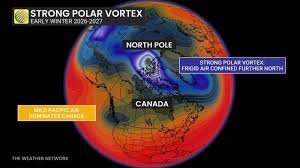
The Polar Vortex: Understanding the Science Behind the Extreme Cold
Every few years, news headlines are dominated by a terrifying term: the polar vortex. While it sounds like something out of a sci-fi movie, it is actually a natural atmospheric phenomenon that can turn a mild winter into a freezing struggle for millions of people across the Northern Hemisphere.
But what exactly is it, and why does it occasionally “break” and send arctic temperatures plunging into regions that aren’t used to them? Let’s dive into the science and prepare you for the next big chill.
What Exactly is the Polar Vortex?
Contrary to popular belief, the polar vortex isn’t a sudden storm that arrives from nowhere. It is a permanent feature of our atmosphere. The polar vortex is a large area of low pressure and cold air that constantly rotates around the Earth’s poles.
Under normal conditions, this cold air is kept “trapped” at the poles by a powerful ring of winds known as the jet stream. Think of the jet stream as a containment wall; as long as it remains strong and stable, the freezing arctic air stays where it belongs.
Why Does the Cold Air Move South?
The problem arises when the jet stream weakens. When the atmospheric pressure changes, the jet stream can become wavy or “unstable.” Instead of a tight circle, it begins to dip southward in large loops.
When one of these dips occurs over North America or Europe, it allows a massive chunk of the polar vortex to spill southward. This is what we experience as an “arctic blast”—a sudden, dramatic drop in temperature that can freeze pipes, disrupt travel, and create hazardous living conditions.
How to Protect Yourself and Your Home
When a polar vortex event is predicted, preparation is key to avoiding emergencies. Here are the most effective ways to stay safe:
- Protect Your Plumbing: Insulate exposed pipes and leave faucets dripping slightly to prevent them from freezing and bursting.
- Dress in Layers: Use the “three-layer rule”: a moisture-wicking base layer, an insulating middle layer (like fleece), and a wind-and-waterproof outer shell.
- Monitor Your Pets: Animals are just as susceptible to frostbite as humans. Ensure your pets have warm shelter and limit their time outdoors.
- Check Your Heating: Ensure your furnace and heaters are serviced and functioning properly before the temperature drops.
The Connection to Climate Change
You might wonder: “If the world is warming, why are we seeing more extreme cold?” It seems contradictory, but many climate scientists believe that global warming is actually contributing to the instability of the polar vortex.
As the Arctic warms faster than the rest of the planet (a process called Arctic Amplification), the temperature difference between the pole and the equator decreases. This weakens the jet stream, making it more likely to wobble and send arctic air screaming southward.
For more detailed scientific data on atmospheric patterns, you can explore the resources provided by the National Oceanic and Atmospheric Administration (NOAA).
Final Thoughts
The polar vortex is a powerful reminder of how interconnected our planet’s weather systems are. While we cannot stop the arctic air from moving, we can be prepared for it. Stay informed, stay warm, and always keep an eye on your local weather forecasts during the winter months.
📰 You May Also Like