Polar Vortex Collapse: Is Canada Facing an Arctic Blast?
Polar Vortex Collapse: Is Canada Facing an Arctic Blast?
Every winter, Canadians keep a close eye on the weather forecast, but one term often sparks more concern than others: the polar vortex collapse. While it sounds like something out of a sci-fi movie, it is a real meteorological phenomenon that can turn a standard Canadian winter into a battle against record-breaking freezing temperatures.
What Exactly is a Polar Vortex Collapse?
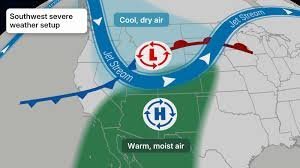
To understand a “collapse,” we first need to understand the vortex itself. The polar vortex is a large area of low pressure and cold air surrounding the Earth’s poles. Normally, it is held in place by a strong, circling wind called the jet stream, which acts like a fence, keeping the frigid Arctic air trapped in the far North.
A polar vortex collapse occurs when this jet stream weakens or becomes “wavy.” When the boundary breaks down, the cold air doesn’t stay contained; it spills southward, plunging regions like Canada, the Northern United States, and parts of Europe into sudden, extreme cold snaps.
Why Does This Matter for Canadians?
Because of our geographic location, Canada is on the front lines of these events. A collapse of the polar vortex can lead to several critical challenges:
- n
- Extreme Temperature Drops: Cities that usually see -10°C can suddenly plummet to -30°C or lower within hours.
- Infrastructure Strain: Extreme cold puts immense pressure on power grids and heating systems, increasing the risk of outages.
- Health Risks: Hypothermia and frostbite become significant threats for those spending time outdoors.
- Transportation Disruptions: Heavy snowfall and icing often accompany these cold air intrusions, leading to travel chaos.
The Paradox: Does Global Warming Cause the Collapse?
It may seem contradictory that a warming planet could lead to colder winters. However, many climate scientists suggest that the warming of the Arctic (Arctic Amplification) reduces the temperature gradient between the North Pole and the equator. This weakens the jet stream, making it more likely to buckle and allow the polar vortex to collapse.
For a deeper dive into the science of climate patterns, you can explore the latest research from NASA’s Global Climate Change portal.
How to Prepare for an Arctic Blast
When a polar vortex collapse is predicted, preparation is key to staying safe. Here are a few essential tips for Canadian households:
- Winterize Your Home: Seal gaps in windows and doors to prevent heat loss and reduce energy bills.
- Gear Up: Use the layering method—thermal base layers, insulating mid-layers, and a windproof outer shell.
- Check Your Pipes: Ensure outdoor pipes are insulated or drained to prevent them from freezing and bursting.
- Stay Informed: Keep an eye on Environment and Climate Change Canada for official alerts and warnings.
Final Thoughts
While the term “polar vortex collapse” can sound alarming, it is a natural (though increasingly volatile) part of our planet’s weather system. By understanding the science behind the freeze and taking the necessary precautions, Canadians can weather any storm the Arctic throws their way.
📰 You May Also Like