
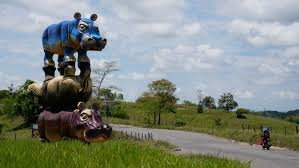
From Drug Lord’s Zoo to Ecological Crisis: The Story of the Cocaine Hippos
In the heart of Colombia, specifically in the town of Doradal, a peculiar sound has become part of the local atmosphere: the deep, guttural grunt of hippopotamuses. While these animals are native to Africa, their presence in South America is a living, breathing legacy of one of the most notorious figures in history: Pablo Escobar.
During the 1980s, the drug kingpin established a private zoo on his ranch, importing exotic animals including giraffes, zebras, and four hippos. After the Colombian government seized his properties, these semi-aquatic giants were left behind. With no natural predators to keep them in check, the population exploded, leading to what the world now knows as the “cocaine hippos.”
The Ecological Toll of an Invasive Species
What started as a curious anomaly has turned into a serious environmental concern. Scientists estimate that there are now approximately 200 hippos roaming the forests and rivers of Doradal. According to biologists, this population surge is creating a dangerous ripple effect through the local ecosystem:
- n
- Water Chemistry: Massive amounts of waste deposited by the hippos are altering the pH levels of the water.
- Oxygen Depletion: The chemical changes lead to lower oxygen levels, causing aquatic plants to collapse.
- Food Chain Disruption: As underwater vegetation vanishes, the entire local food chain suffers, threatening native species.
For more information on how hippopotamuses affect their environments, National Geographic provides extensive research on their biological impact.
A Community Divided: Tourism vs. Conservation
Despite the ecological warnings, the people of Doradal have developed a complex relationship with these animals. The hippos have become a major tourist attraction, fueling the local economy. From “hippo safaris” to the sale of souvenirs and t-shirts, the animals are now woven into the community’s identity.
While the Colombian government has proposed culling up to 80 animals to stabilize the population, many locals are vehemently opposed. They argue that these animals are now part of their heritage and should be managed through peaceful means, such as sterilization—though experts warn that such procedures are often too costly and risky for large-scale implementation.
A Billionaire’s Lifeline: The India Proposal
In a surprising turn of events, Indian billionaire Anant Ambani has offered a potential solution: relocating 80 hippos to his wildlife reserve in Gujarat, India. While this sounds like a fairy-tale ending, biology professors and conservationists are skeptical.
The logistical challenges are staggering. Moving multi-ton wild animals involves:
- Transporting them 150 kilometers by truck to the Rio Negro airport.
- Executing an incredibly long flight to India with necessary stopovers.
- Ensuring the animals remain relaxed and safe during an intercontinental journey.
Furthermore, there are concerns that Ambani’s reserve may be too small to accommodate animals that have grown accustomed to the vast, wild landscapes of Colombia.
The Final Verdict
The saga of Pablo Escobar‘s hippos is more than just a strange footnote in history; it is a cautionary tale about the dangers of introducing non-native species into a foreign ecosystem. As the population threatens to double within the next five years, Colombia faces a heartbreaking choice: prioritize the balance of nature or protect the animals that have become local icons.



