
The High-Tech Paradox: Multibillion-Dollar Systems vs. A Simple Cable
In the modern theatre of war, the most expensive technology isn’t always the most effective. A startling new reality is unfolding in the skies over the Lebanese town of Taybeh, where Israel’s multibillion-dollar defence infrastructure is being challenged not by a sophisticated missile, but by a spool of fibre-optic cable.
Recent reports from Yedioth Ahronoth (Ynet) reveal a harrowing scene: Israeli medical evacuation helicopters and ground troops found themselves vulnerable to an enemy they could neither jam nor detect on radar. This is the new face of the conflict, as Hezbollah introduces a lethal twist to unmanned aerial vehicle (UAV) warfare.
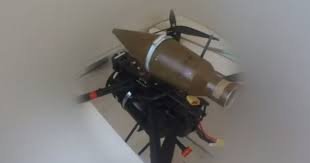
What are Fibre-Optic FPV Drones?
Unlike traditional First-Person View (FPV) drones that rely on radio frequencies or satellite links—which are easily intercepted or blocked by Electronic Warfare (EW) systems—these modified aircraft are physically tethered to the operator.
- n
- The Tether: A thin fibre-optic thread extending between 10 to 30 km.
- Jamming Immunity: Because there is no wireless signal to intercept, Israel’s sophisticated jamming systems are rendered completely useless.
- Radar Invisibility: Constructed from lightweight fibreglass, these drones emit almost no thermal or radar signature, making them virtually invisible to early-warning systems.
Piercing the “Trophy” Shield
The tactical advantage goes beyond stealth. These drones have reportedly bypassed the “Trophy” active protection system, a world-leading defence mechanism installed on Israeli Merkava tanks. By utilizing high-resolution optical cameras that transmit uncompressed video through the cable, Hezbollah operators can manually steer the drone into the most vulnerable points of a vehicle, such as the turret or tracks, with surgical precision.
The human cost of this technological shift was felt acutely in Taybeh, where an explosive-laden drone struck an armoured unit, resulting in casualties and leaving front-line commanders in a state of frustration.
An Asymmetric Nightmare: Rifles and Fishing Nets
The inability to counter these low-cost drones has forced one of the world’s most advanced militaries to revert to primitive defence methods. With electronic countermeasures failing, Israeli soldiers are reportedly:
- Using Small Arms: Pointing assault rifles at the sky and firing blindly at incoming threats.
- Improvising Physical Barriers: Hanging physical nets over military positions, windows, and houses to tangle the drones before they detonate.
Military analysts suggest that this shift mirrors the brutal lessons learned in the Russia-Ukraine war, where tethered drones became a necessity in heavily jammed environments.
The Achilles’ Heel of Tethered UAVs
Despite their terrifying efficiency, these drones are not invincible. Experts like Nidal Abu Zaid point out two critical weaknesses:
- Weather Sensitivity: The lightweight fibreglass bodies are highly susceptible to strong winds and heavy rain.
- Physical Vulnerability: The thin fibre-optic cable is fragile; if the drone clips a tree branch or a thick bush, the connection snaps, and the drone is lost.
As the conflict escalates, the situation remains a stark reminder of the nature of asymmetric warfare: a low-cost, improvised tool can effectively neutralize the most expensive defence systems in the world.



