
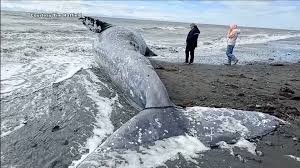
The Epic Journey of Gray Whales: Nature’s Most Incredible Migrators
Among the vast mysteries of the deep blue, few creatures capture the imagination quite like the gray whale (Eschrichtius robustus). Known for their resilience, immense size, and one of the longest migrations of any mammal on Earth, these gentle giants are a cornerstone of marine biodiversity, especially along the Pacific coast of North America.
The Great Migration: A Record-Breaking Voyage
Every year, gray whales embark on a staggering journey that would leave any human traveler exhausted. They travel from the nutrient-rich waters of the Arctic and the Bering Sea down to the warm lagoons of Baja California, Mexico.
This round trip can cover up to 22,000 kilometres. Why do they do it? The answer is a balance between survival and reproduction:
- n
- Feeding: During the summer, they feast on amphipods and other small crustaceans in the cold Arctic waters to build up blubber.
- Calving: The warm waters of Mexico provide a safe, predator-free sanctuary for mothers to give birth and nurse their calves.
What Makes Gray Whales Unique?
Unlike many other whale species, gray whales have a distinct look and behavior that makes them easy to identify for wildlife enthusiasts and researchers.
1. The “Mottled” Appearance
Their skin is a salt-and-pepper gray, often adorned with patches of barnacles and “whale lice.” These hitchhikers create a textured look that distinguishes them from the sleek skin of dolphins or humpbacks.
2. Bottom-Feeding Experts
Gray whales are unique among baleen whales because they are primary bottom-feeders. They dive to the ocean floor, scoop up sediment, and filter out the food, often leaving “feeding pits” in the sand that can be seen from satellite imagery.
Conservation and the Canadian Connection
For those living in Canada, particularly in British Columbia, gray whales are a seasonal highlight. The coast of Vancouver Island is a prime spot for whale watching, allowing us to witness these creatures as they pass through our waters.
While the Eastern North Pacific population has recovered significantly since the era of commercial whaling, they still face modern threats, including:
- n
- Climate Change: Melting Arctic ice affects their primary food sources.
- Ocean Noise: Shipping traffic can interfere with their sonar and communication.
- Entanglement: Ghost fishing gear remains a critical danger to migrating whales.
To learn more about how you can help protect these marine mammals, you can visit the World Wildlife Fund (WWF) or check the latest research from NOAA Fisheries.
Final Thoughts: Protecting the Giants
The gray whale is a symbol of endurance and the interconnectedness of our planet’s oceans. By supporting sustainable tourism and advocating for cleaner oceans, we ensure that future generations can continue to marvel at the sight of a gray whale breaching against a Pacific sunset.



