The Cosmic Explosion: Unveiling the Supernova in NGC 1433
The Cosmic Explosion: Unveiling the Supernova in NGC 1433
The universe is a theater of grand proportions, and recently, it has put on one of its most spectacular shows. Astronomers and space enthusiasts are buzzing about the detection of a supernova in NGC 1433, a barred spiral galaxy that has suddenly become a focal point for stellar research. But what exactly is happening millions of light-years away, and why should we care?
What is NGC 1433?
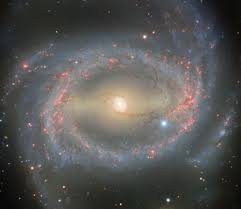
Before diving into the explosion, let’s set the stage. NGC 1433 is a stunning barred spiral galaxy located in the constellation Eridanus. Known for its intricate structure and abundance of gas and dust, it is a fertile ground for star formation. This environment makes it a prime location for observing the life cycles of stars—from their birth in nebulae to their violent deaths.
The Supernova: A Stellar Finale
A supernova is not just a simple explosion; it is the catastrophic collapse of a massive star. When a star runs out of nuclear fuel, it can no longer support its own gravity, leading to a collapse that triggers a shockwave of unimaginable power.
The NGC 1433 supernova provides a rare window into this process. These events are so bright that for a short period, a single dying star can outshine the combined light of billions of other stars in its host galaxy. This allows telescopes on Earth and in space to capture data that would otherwise be invisible.
Key Facts About Supernovae in Spiral Galaxies
- Heavy Element Production: Supernovae are the “factories” of the universe, creating elements like gold, silver, and uranium.
- Cosmic Distance Markers: Certain types of supernovae (Type Ia) are used as “standard candles” to measure the expansion of the universe.
- Stellar Recycling: The debris from these explosions seeds the galaxy with elements necessary for the formation of new planets and life.
Why This Discovery Matters for Science
Observing a supernova in a galaxy like NGC 1433 is crucial for astrophysicists. By analyzing the light spectrum of the explosion, scientists can determine the chemical composition of the star and the mechanisms that led to its demise. This data helps refine our understanding of the NASA-led missions to map the cosmos and understand dark energy.
Furthermore, these events often leave behind exotic remnants, such as neutron stars or black holes, adding to the mystery and complexity of galactic evolution.
How to Follow Cosmic Events
If you are fascinated by the NGC 1433 supernova, you can keep track of similar astronomical events through high-authority sources such as the European Space Agency (ESA) or the Hubble Space Telescope archives. The study of the deep sky reminds us of our small but significant place in a vast, ever-changing universe.
Stay tuned as we continue to monitor the skies for more breathtaking revelations from the deep cosmos!
📰 You May Also Like