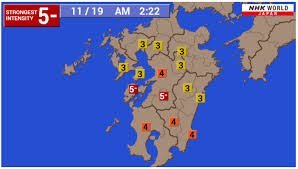
Earthquakes and Diplomacy: Japan and China Strengthen Ties at APEC Summit
Diplomatic Synergy at APEC: Strengthening Japan-China Relations for a Safer Future
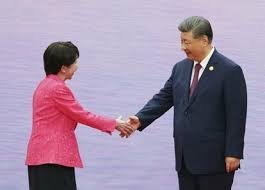
In a significant move for regional stability, Japanese Prime Minister Sanae Takaichi and Chinese President Xi Jinping recently held a pivotal meeting during the Asia-Pacific Economic Cooperation (APEC) summit in Shenzhen, China. While the handshake captured by the press symbolizes a diplomatic thawing, the underlying implications reach far beyond political formalities.
The Strategic Importance of the Shenzhen Meeting
The meeting in Shenzhen represents more than just a photo opportunity. In an era of geopolitical tension, the dialogue between the world’s second and third-largest economies is crucial for maintaining economic balance and security in the Indo-Pacific region. The APEC summit provides a neutral ground for these leaders to discuss trade, sustainable development, and mutual security concerns.
Bridging the Gap: Cooperation in Disaster Management and Earthquake Safety
One of the most critical areas where Japan and China share a common struggle is the management of natural disasters. Both nations are situated in some of the most seismically active zones in the world, making earthquake preparedness a matter of national survival rather than just a policy goal.
Experts suggest that diplomatic rapprochement allows for better sharing of:
- n
- Seismic Data: Real-time sharing of geological shifts to improve early warning systems.
- Rescue Protocols: Coordinating international search and rescue teams during catastrophic events.
- Infrastructure Innovation: Exchanging technology on earthquake-resistant architecture and urban planning.
By fostering a relationship of trust, both nations can leverage Japan’s world-leading seismology research and China’s massive infrastructure capabilities to mitigate the devastating impact of a major earthquake in the Pacific Ring of Fire.
Looking Ahead: Stability in the Asia-Pacific
While challenges remain in their bilateral relationship, the gesture of cooperation at APEC sends a positive signal to the global community. When leading powers prioritize human safety and disaster resilience over political disputes, the entire region benefits.
For more information on how seismic activity is monitored globally, you can visit the United States Geological Survey (USGS), a primary authority on earthquake science.
Final Thoughts
The handshake in Shenzhen is a reminder that diplomacy is the most effective tool for addressing shared threats. Whether it is economic instability or the unpredictable nature of an earthquake, international cooperation remains the only viable path toward a resilient future.
📰 You May Also Like