
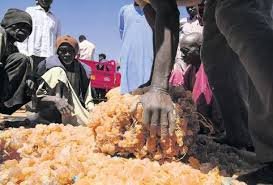
The Bitter Price of Sweetness: How Gum Arabic Smuggling Fuels Sudan’s Civil War
Have you ever looked at the ingredients list on a bag of M&Ms, a bottle of medicine, or your favorite lipstick and wondered about the origin of the stabilizers inside? Many of these everyday items rely on a substance called gum arabic. While it sounds innocuous, this resin is currently at the center of a devastating geopolitical struggle, where smuggling and illicit trade are funding one of the world’s worst humanitarian disasters.
What is Gum Arabic and Why is it So Valuable?
Gum arabic is a natural resin harvested from the acacia tree. In the industrial world, it is prized as a powerful thickener and stabilizer. Because there are virtually no synthetic substitutes that provide the same properties, it has become an indispensable ingredient in various sectors:
- n
- Food & Beverage: Used in candies, sodas, and confectionery to maintain consistency.
- Pharmaceuticals: Acts as a binder for various medications.
- Cosmetics: Found in makeup and skincare products to improve texture.
For decades, Sudan was the powerhouse of this industry, once controlling up to 80% of the global supply. Under normal circumstances, this natural wealth should have been a catalyst for economic prosperity. Instead, it has become a catalyst for conflict.
The Dark Link Between Smuggling and Conflict
The tragedy began in earnest in April 2023, when a violent power struggle erupted between Sudan’s military and the Rapid Support Forces (RSF), a paramilitary group. As the country split in two—with the government controlling the east and the RSF dominating the west—the economy was weaponized.
The trade of gum arabic, which generated approximately $183 million for Sudan in 2022 and supports nearly 5 million people, has been co-opted. Today, the journey of the resin is often illicit. It begins in the “blood-soaked orchards” of central Sudan, where it is harvested under the shadow of war and then smuggled through various African ports before reaching markets in the United States and Europe.
A Humanitarian Crisis Hidden in Plain Sight
The financial gains from this smuggling network provide the belligerents with the resources necessary to sustain a ruinous civil war. The human cost is staggering:
- n
- Loss of Life: Hundreds of thousands have been killed.
- Displacement: Approximately 14 million people have been forced to flee their homes.
- Famine: Nearly 20 million people are currently facing acute hunger.
While consumers in the West enjoy their sweets and cosmetics, they are often unaware that the supply chain for these products may be directly bankrolling the forces responsible for this instability.
Conclusion: The Need for Ethical Sourcing
The case of gum arabic is a stark reminder of how global trade can inadvertently fuel local atrocities. To stop the cycle of violence, there must be a concerted effort toward transparency and ethical sourcing in the global supply chain. Understanding the impact of smuggling in conflict zones is the first step toward demanding accountability from the corporations that profit from these resources.
For more information on the current situation in Sudan, you can visit the UNHCR (The UN Refugee Agency) or learn more about the botanical properties of acacia trees at Britannica.



