
Screwworm Texas Alert: USDA Races to Stop Flesh-Eating Pest from Devastating Livestock
Texas is currently facing a biological threat that could have catastrophic implications for the agricultural sector. The U.S. Department of Agriculture (USDA) has recently confirmed two additional cases of the New World screwworm, signaling a critical challenge in containing a pest known for its destructive nature.
What is the New World Screwworm?
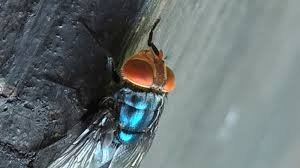
Unlike common flies that feed on decaying organic matter, the New World screwworm is a nightmare for livestock owners. This parasite produces larvae that feed on live flesh. The process begins when female flies lay their eggs in the open wounds of warm-blooded animals.
While cattle are the primary targets, the danger extends far beyond the pasture. The infestation can affect:
- n
- Wildlife: Disrupting local ecosystems.
- Pets: Putting dogs and cats at risk.
- Humans: Though rare, humans can also be infested if open wounds are left exposed.
The Current Situation in Texas
The USDA reported that the latest cases were identified in a calf and a dog, located hundreds of miles apart in La Salle and Andrews counties. This brings the current total of confirmed cases in the state to four.
The first discovery occurred just last week in a three-week-old calf, followed shortly by another case in a young calf nearby. The geographical spread of these cases highlights the difficulty of eradicating the pest once it gains a foothold.
The USDA’s Strategic Defense: Sterile Fly Technique
The New World screwworm was successfully eliminated from the United States in the 1960s, but recent detections in Mexico late in 2024 have reignited the fear of a full-scale outbreak. To combat this, the USDA is employing a sophisticated biological warfare tactic: the Sterile Insect Technique.
How it works:
- The government breeds massive quantities of sterile male flies.
- These sterile males are released into the wild to mate with females.
- Since the females only mate once in their lifetime, mating with a sterile male prevents the production of offspring.
- This breaks the reproductive cycle, eventually collapsing the pest population.
Moving Forward: A Race Against Time
With the stakes so high for the nation’s cattle industry, the USDA is accelerating its response. Dudley Hoskins, the USDA’s marketing and regulatory undersecretary, emphasized that while immediate cases are being addressed, the ultimate goal is total eradication.
To ensure a sustainable defense, the USDA is increasing sterile fly production in international plants while simultaneously constructing a dedicated fly factory right here in Texas. Furthermore, USDA Secretary Brooke Rollins is closely monitoring the situation, receiving briefings at the U.S. Livestock Insects Research Laboratory in Kerrville, Texas.
For livestock owners and pet parents, vigilance is key. Inspecting animals for open wounds and reporting suspicious activity to local agricultural authorities can help stop the screwworm in Texas before it becomes an uncontrollable crisis.



