
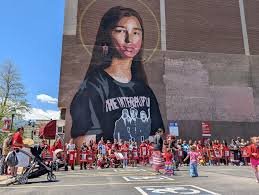
MMIWG: Understanding the Crisis of Missing and Murdered Indigenous Women and Girls in Canada
The acronym MMIWG (Missing and Murdered Indigenous Women and Girls) represents one of the most heartbreaking and urgent human rights crises in modern Canadian history. For decades, Indigenous women and girls have faced disproportionate levels of violence, systemic neglect, and a failure of justice that transcends generations.
To address this issue is not just to acknowledge a statistic, but to honour the lives of those lost and to demand systemic change to ensure that no more families are torn apart by preventable tragedies.
The Root of the Crisis: Systemic Violence and Colonialism
The crisis of MMIWG is not a series of isolated incidents; it is the result of deep-seated systemic issues. Experts and advocates argue that the violence is rooted in the legacy of colonialism and the historical marginalization of Indigenous peoples in Canada.
- n
- Systemic Racism: Bias within law enforcement and judicial systems often leads to inadequate investigations into the disappearances of Indigenous women.
- Social Vulnerability: The lingering effects of the residential school system have created cycles of poverty and displacement, making some women more vulnerable to exploitation.
- Lack of Protection: A historical lack of resources and protection for Indigenous communities has allowed perpetrators to act with relative impunity.
The National Inquiry into MMIWG
In response to overwhelming pressure from families and grassroots organizations, the Canadian government launched the National Inquiry into Missing and Murdered Indigenous Women and Girls. This landmark inquiry sought to document the experiences of survivors and families, ultimately concluding that the violence committed against Indigenous women and girls constitutes a genocide.
The final report provided a comprehensive set of “Calls for Justice,” urging the government to overhaul how missing persons cases are handled and to invest heavily in safe housing and healthcare for Indigenous women.
How to Support the MMIWG Movement
Awareness is the first step toward justice. Whether you are a Canadian citizen or a global observer, there are meaningful ways to contribute to the movement for change:
- Educate Yourself: Read reports from the National Inquiry and listen to the stories told by survivors.
- Amplify Indigenous Voices: Use your platform to share information from Indigenous-led organizations like the Native Women’s Association of Canada (NWAC).
- Support Local Initiatives: Donate to shelters and legal funds that specifically serve Indigenous women and girls.
- Demand Accountability: Encourage your local and federal representatives to implement the “Calls for Justice” in full.
Conclusion: A Call for Solidarity
The fight against the disappearance and murder of Indigenous women is a fight for the very soul of human rights in Canada. By acknowledging the truth of the past and committing to a future of equity and safety, we can move toward a society where every woman, regardless of her heritage, can live without fear.
Justice for the missing. Peace for the fallen. Safety for those who remain.



