The Ultimate Guide to Emergency Food: How to Build a Survival Pantry for Any Crisis
Why You Need a Strategic Emergency Food Plan
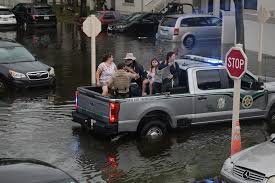
In an unpredictable world, being prepared isn’t just a precaution—it’s a necessity. Whether it’s a natural disaster, a prolonged power outage, or an unexpected global crisis, having a reliable stock of emergency food (known as 비상식량 in Korean trends) can make the difference between panic and peace of mind.
Building a survival pantry isn’t about hoarding; it’s about strategic planning to ensure you have the calories and nutrients needed to sustain your health and energy when normal supply chains fail.
Essential Categories of Emergency Food
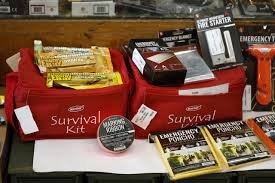
To create a balanced survival kit, you should focus on foods that are nutrient-dense, have a long shelf life, and require little to no water or heat for preparation.
- n
- Non-Perishable Proteins: Canned tuna, chicken, beans, and nut butters are excellent sources of protein that stay fresh for years.
- Complex Carbohydrates: White rice, pasta, and oats provide the necessary energy to keep your body functioning under stress.
- High-Energy Snacks: Dried fruits, nuts, and energy bars are perfect for quick calories without needing preparation.
- Comfort Foods: Don’t overlook the psychological impact. Dark chocolate, honey, and coffee can provide vital emotional support during a crisis.
Top Tips for Long-Term Food Storage
Simply buying the food is only half the battle. How you store your emergency supplies determines whether they will actually be edible when you need them.
- The First-In, First-Out (FIFO) Method: Always use your oldest stock first and add new purchases to the back of the shelf to avoid expiration.
- Control the Environment: Store your food in a cool, dry, and dark place. High temperatures and humidity are the enemies of shelf-life.
- Vacuum Sealing: For grains and legumes, using vacuum sealers or Mylar bags with oxygen absorbers can extend the life of the food by decades.
- Water is Priority One: No amount of food helps if you can’t hydrate. Ensure you have at least one gallon of water per person per day.
How to Get Started Today
You don’t need to spend thousands of dollars overnight. Start by adding two or three extra non-perishable items to your grocery cart every week. Gradually, you will build a robust supply without breaking your budget.
For more comprehensive guidelines on disaster readiness, we highly recommend visiting Ready.gov, the official U.S. government site for emergency preparedness, and the American Red Cross for safety checklists.
Final Checklist for Your Survival Pantry
Before you finish your setup, ensure you have these three critical tools:
- A manual can opener (electric ones won’t work during power outages).
- A portable camping stove or fuel source.
- A basic first-aid kit and essential medications.
📰 You May Also Like