
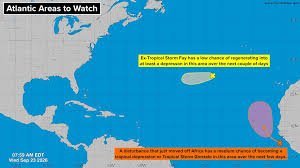
Understanding Hurricanes Weather: Nature’s Most Powerful Storms
When we talk about hurricanes weather, we are referring to some of the most intense and destructive atmospheric phenomena on Earth. These massive storm systems, known scientifically as tropical cyclones, bring a combination of torrential rain, devastating winds, and storm surges that can reshape coastlines in a matter of hours.
While many associate hurricanes primarily with the Caribbean and the Southern United States, residents of Atlantic Canada are increasingly aware of the risks as these storms move northward, often transitioning into powerful post-tropical cyclones that impact provinces like Nova Scotia and New Brunswick.
How Do Hurricanes Form?
Hurricanes don’t just appear out of nowhere; they require a specific set of atmospheric conditions to ignite. The “fuel” for these storms is warm ocean water. Here is the basic process:
- n
- Warm Sea Surface: Ocean temperatures typically need to be above 26.5°C.
- Moist Air: High humidity in the lower to mid-troposphere allows clouds to build.
- Low Wind Shear: For a hurricane to organize, there must be little change in wind speed or direction at different altitudes.
As warm air rises, it creates a low-pressure zone, drawing in more air and creating a swirling vortex that can grow in size and intensity as it travels across the open ocean.
The Impact of Hurricanes Weather in Canada
In Canada, we rarely experience a “Category 5” hurricane hitting landfall in its prime state. However, the danger remains significant. As hurricanes move north, they often undergo extratropical transition. While they may lose some of their tropical characteristics, they can expand in size, bringing widespread flooding and hurricane-force wind gusts to the Canadian Maritimes.
According to Environment and Climate Change Canada, staying informed through official weather alerts is the most critical step in minimizing risk during the autumn storm season.
Essential Hurricane Preparedness Checklist
Whether you live on the coast or inland, being prepared for extreme hurricanes weather can save lives. Here is a streamlined guide to getting your household ready:
1. Create an Emergency Kit
- n
- Water: At least 4 litres per person per day for 72 hours.
- Non-perishable Food: Canned goods, energy bars, and a manual can opener.
- Power Sources: Extra batteries, portable power banks, and a crank-powered radio.
- First Aid: A fully stocked medical kit and a supply of essential medications.
2. Secure Your Property
- n
- Trim dead branches from trees to prevent them from falling on your home.
- Secure outdoor furniture, garbage cans, and potted plants.
- Check that your roof shingles are intact and gutters are clear of debris.
3. Stay Informed
Follow trusted sources like the National Oceanic and Atmospheric Administration (NOAA) for global tracking and local municipal alerts for evacuation orders.
The Role of Climate Change
Scientists are observing a worrying trend: as global ocean temperatures rise, the fuel available for hurricanes increases. This doesn’t necessarily mean we will have more hurricanes, but it does mean the storms that do form are likely to be more intense, carry more water, and reach further north than ever before.
By understanding the mechanics of hurricanes weather and taking proactive steps, we can better protect our communities and build resilience against the evolving challenges of our changing climate.



