Highway 401 Accidents: Essential Safety Guide and What to Do in an Emergency
Navigating the Chaos: Dealing with a 401 Accident
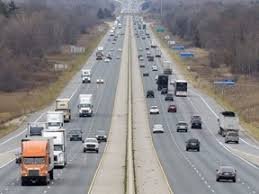
The Highway 401 is more than just a road; it is the lifeline of Ontario’s economy and the busiest highway in North America. However, with such a massive volume of traffic comes an inevitable risk: the 401 accident. Whether it’s a minor fender-bender during rush hour or a more serious collision, knowing how to react can make a life-saving difference.
In this guide, we provide a comprehensive look at how to handle emergencies on the 401 and how to minimize your risks while driving through the GTA and beyond.
Immediate Steps to Take After a 401 Accident
The moments immediately following a collision are often chaotic. To ensure your safety and the safety of others, follow these critical steps:
- n
- Prioritize Safety: If possible, move your vehicle out of the flow of traffic to the shoulder. The 401 is notorious for secondary collisions; getting your car out of the lanes is the top priority.
- Check for Injuries: Assess yourself and your passengers. If anyone is injured, call 911 immediately.
- Signal for Help: Turn on your hazard lights. If you have emergency triangles or flares, place them well behind your vehicle to warn oncoming drivers.
- Document the Scene: Once safe, take clear photos of the vehicle damage, road conditions, and the positions of the cars. This is crucial for insurance claims.
- Exchange Information: Swap names, phone numbers, insurance details, and driver’s license information with the other parties involved.
Common Causes of Accidents on Highway 401
Understanding why these incidents happen can help you stay vigilant. Most 401 accidents stem from a few recurring factors:
- n
- Traffic Congestion: Sudden braking in heavy traffic often leads to rear-end collisions.
- Distracted Driving: Mobile phone use remains a leading cause of accidents across Ontario’s highways.
- Weather Conditions: Canadian winters bring snow, ice, and “black ice,” which significantly reduce traction and visibility.
- Driver Fatigue: Long-haul trips on the 401 can lead to drowsiness, slowing reaction times.
How to Stay Updated and Avoid Delays
Prevention and information are your best tools for a safe commute. Before hitting the road, it is highly recommended to check real-time traffic updates to avoid areas where an accident may have already occurred.
For the most reliable and official updates, visit Ontario 511, the province’s official road conditions reporting service. Additionally, following the OPP GTA Traffic feed on social media can provide instant alerts on road closures and major collisions.
Final Thoughts on Road Safety
While you cannot control the actions of other drivers, you can control your own readiness. Maintaining your vehicle, respecting speed limits, and staying alert are the best ways to ensure that a 401 accident doesn’t become part of your journey. Stay safe, stay patient, and always keep your eyes on the road.
📰 You May Also Like