
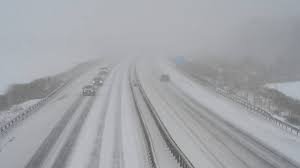
What to Do When a Heavy Snow Warning is Issued
When a heavy snow warning is announced, it isn’t just a suggestion to grab your coat—it’s a signal that significant snowfall is imminent and could impact travel, safety, and basic utilities. Whether you are a seasoned winter resident or experiencing your first major blizzard, being prepared is the difference between a cozy winter evening and a dangerous emergency.
In this guide, we will walk you through the essential steps to ensure your home, your vehicle, and your family remain safe and warm during severe winter weather.
1. Prepare Your Home for the Freeze
Your home is your primary sanctuary during a storm. Taking a few proactive steps can prevent costly damages and keep you warm if the power goes out.
- n
- Seal the Drafts: Check windows and doors for leaks. Use weatherstripping or door snakes to keep the cold air out.
- Protect Your Pipes: To prevent pipes from freezing and bursting, allow faucets to drip slightly and open cabinet doors under sinks to let warm air circulate.
- Heating Maintenance: Ensure your furnace or heater is functioning correctly. If you use a fireplace, verify that the chimney is clear of obstructions.
2. Create a Winter Emergency Kit
Power outages are common during heavy snowfall. Having a designated emergency kit ensures you have the basics when you can’t leave the house. According to Ready.gov, every household should have a basic disaster kit.
Essential items to include:
- Non-perishable food: Canned goods, energy bars, and dried fruits.
- Water: At least one gallon per person per day for at least three days.
- Lighting: Flashlights with extra batteries (avoid candles to prevent fire hazards).
- Warmth: Heavy blankets, sleeping bags, and thermal clothing.
- First Aid: A fully stocked medical kit and a supply of necessary medications.
3. Vehicle Safety and Winter Driving
If you absolutely must drive during a heavy snow warning, your car needs to be equipped for the challenge. Slippery roads and low visibility can lead to hazardous conditions quickly.
Check your vehicle:
- Tires: Ensure you have winter tires or all-season tires with adequate tread.
- Fluids: Use winter-grade windshield wiper fluid that won’t freeze on the glass.
- Fuel: Keep your gas tank at least half full to avoid getting stranded in traffic or during a breakdown.
Keep a “Car Survival Kit”: Always carry a snow brush, ice scraper, a shovel, a heavy blanket, and a portable phone charger.
4. Staying Informed and Safe
The most important tool during a winter storm is accurate information. Weather patterns can shift rapidly, and warnings can be upgraded to blizzards or ice storms.
Stay tuned to local news and official alerts from the National Oceanic and Atmospheric Administration (NOAA) for real-time updates on precipitation levels and road closures.
Conclusion
A heavy snow warning doesn’t have to be stressful if you have a plan. By securing your home, preparing your emergency supplies, and staying informed, you can weather the storm with peace of mind. Stay warm, stay safe, and always prioritize caution over convenience when the snow begins to fall.



