
From Clock Factory to Community: New Haven Housing Authority’s Bold Urban Revival
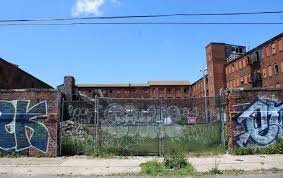
In a landmark move for urban revitalization, the Housing Authority of the City of New Haven (HANH) has officially finalized the purchase of the historic Hamilton Street clock factory. This acquisition marks a pivotal step in a long-term vision to transform a decaying industrial relic into a vibrant residential hub featuring 130 new affordable homes.
The deal, concluded between the Housing Authority and Taom Heritage New Haven LLC, sees the property at 133 Hamilton St. transition into the hands of public development. While initial board votes suggested a price of $4.5 million, the final sale was settled at approximately $4 million, with the price adjustment reflecting the housing authority’s agreement to manage a larger portion of the site’s environmental remediation.
Turning Industrial Decay into Sustainable Living
The project is more than just a real estate transaction; it is a massive undertaking in community development. The goal is to create a residential community where every single unit serves low-to-moderate income households, addressing the critical shortage of affordable living spaces in the city.
The Financial Blueprint
Transforming a century-old factory into modern housing is no small feat. The total project cost is estimated at $70 million. To fund this ambitious venture, the housing authority is leveraging a sophisticated mix of financial tools, including:
- n
- Tax-exempt private-activity bonds.
- 4% Low-Income Housing Tax Credits.
- Federal and state Historic Tax Credits.
- Various public-private funding sources.
For more information on how these initiatives work nationwide, you can explore the U.S. Department of Housing and Urban Development (HUD) guidelines on affordable housing.
A Building with a Wild Soul: The History of 133 Hamilton St.
The former clock factory isn’t just bricks and mortar; it’s a piece of New Haven’s eclectic history. Before its planned transformation, the building housed an unbelievable array of tenants, including:
- n
- A troupe of professional mimes.
- A hardcore rock club and a Black dance club.
- The headquarters of the Bad Ass White Boys motorcycle club.
- A strip club featuring a swimming pool built into the ceiling.
Bill Kraus, a specialist in historic preservation, has spent years advocating for the building’s survival. Now serving as a consultant for the housing authority, Kraus ensures that the architectural integrity of the site is maintained while transitioning it into a modern living space.
Timeline and Future Outlook
The road to completion will be a gradual one. The immediate priority for the housing authority is securing the perimeter and installing exterior lighting to prevent further blight. The roadmap for the project includes:
- Short Term: Hiring architects and contractors within the next 30 days.
- Mid Term: Construction is slated to begin in the first half of 2028.
- Long Term: The goal is to have most units leased and occupied by 2032.
This project is part of a larger strategy by the city’s housing authority, which also includes the massive “Union Square” project—a development aimed at adding over 2,490 new apartments to the city’s inventory.
Preserving the Past, Building the Future
By integrating historic preservation with modern housing needs, New Haven is setting a precedent for how cities can handle industrial blight. Instead of demolishing history, the city is repurposing it to serve the people who need it most.
This redevelopment stands as a testament to the power of persistence and the essential role of the housing authority in fostering equitable urban growth.



