
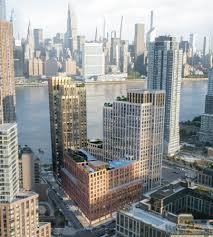
The Evolution of Modern Housing Development: More Than Just Bricks and Mortar
In recent years, housing development has shifted from simply building structures to creating sustainable, livable ecosystems. As urban populations grow and environmental concerns take center stage, the industry is undergoing a massive transformation. Whether you are an investor, a first-time homebuyer, or an urban planner, understanding these shifts is crucial to navigating the modern real estate landscape.
1. The Rise of Sustainable and Green Building
Sustainability is no longer an optional luxury; it is a necessity. Modern housing development is now heavily focused on reducing the carbon footprint of residential areas. This includes the integration of energy-efficient materials and renewable energy sources.
- n
- Net-Zero Homes: Buildings that produce as much energy as they consume.
- Eco-friendly Materials: The use of recycled steel, bamboo, and hempcrete to reduce environmental impact.
- LEED Certification: A globally recognized symbol of sustainable design and construction.
For more information on global building standards, you can explore the U.S. Green Building Council (USGBC), which leads the way in green building certification.
2. Smart Home Integration and PropTech
The intersection of technology and real estate—often called PropTech—is redefining how we experience our homes. Housing development now incorporates “smart” infrastructure from the ground up, rather than adding it as an afterthought.
Integrated systems for lighting, security, and climate control are becoming standard. These innovations not only provide convenience but also significantly increase the property value and energy efficiency of the development.
3. Tackling the Affordability Crisis: Modular and Tiny Homes
One of the biggest challenges in current housing development is affordability. To combat rising costs, developers are turning to innovative construction methods that lower expenses without sacrificing quality.
- Modular Construction: Building sections of a home in a factory setting and assembling them on-site, which reduces waste and time.
- Tiny House Movements: Creating high-functioning, minimal-space living options to make homeownership accessible to a wider demographic.
- Mixed-Income Developments: Designing communities that blend luxury units with affordable housing to promote social diversity.
4. Urban Planning and the “15-Minute City” Concept
The philosophy of housing development is moving away from isolated suburban sprawls toward the “15-Minute City.” This urban planning model ensures that all essential services—work, shopping, health, and education—are within a 15-minute walk or bike ride from home.
This approach reduces reliance on cars, lowers pollution, and fosters a stronger sense of community among residents.
Final Thoughts: What to Expect Next?
The future of housing development lies in the balance between technological advancement and environmental stewardship. As we look forward, we can expect to see more integration of AI in home management and a deeper commitment to regenerative architecture.
If you are looking to invest or build, focusing on sustainability and technology is the safest bet for long-term value. To stay updated on market trends, checking resources like Investopedia can provide valuable financial insights into real estate investment.



