
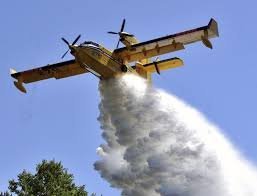
Staying Safe and Informed: Navigating Fires Near Thunder Bay
Wildfires are a recurring concern for residents and visitors in Northern Ontario. When fires near Thunder Bay ignite, the combination of dense boreal forests and varying weather conditions can lead to rapidly changing situations. Staying informed is not just about convenience—it is about safety and preparedness.
Whether you are a local resident, a business owner, or someone travelling through the region, knowing where to find reliable information and how to respond to wildfire threats is critical.
How to Track Active Wildfires in Real-Time
In an era of misinformation, it is vital to rely on official government sources and verified agencies to track the progress of fires. If you are searching for updates on fires near Thunder Bay, use the following resources:
- n
- Ontario Fire Lookout Network: The primary source for active fire locations and status updates within the province.
- Environment Canada: Essential for monitoring wind speeds, humidity, and air quality alerts that affect fire behaviour.
- Local Emergency Services: Follow the City of Thunder Bay’s official social media channels for immediate evacuation orders or road closures.
For the most accurate and up-to-the-minute maps, we highly recommend visiting the Official Ontario Forest Fire Information page.
Essential Wildfire Safety Tips for Residents
Preparation is the best defence against the unpredictability of forest fires. If you live in a high-risk area or notice smoke in your neighbourhood, take these proactive steps:
1. Create a FireSmart Property
Reducing combustible materials around your home can significantly lower the risk of ignition. Clear dry leaves, dead branches, and move firewood away from your primary structure.
2. Prepare an Emergency “Go-Bag”
If an evacuation order is issued, you may only have minutes to leave. Your kit should include:
- n
- Important documents (ID, insurance, passports) in a waterproof folder.
- A three-day supply of non-perishable food and water.
- Necessary medications and a first-aid kit.
- Portable chargers and a battery-powered radio.
3. Monitor Air Quality
Wildfires often produce thick smoke that can travel hundreds of kilometres. If air quality degrades, keep windows closed and use HEPA air filters to protect your respiratory health. You can check current levels via Environment Canada.
The Environmental Impact on Northern Ontario
Beyond the immediate danger, fires near Thunder Bay have long-term effects on the local ecosystem. While some forest regeneration depends on fire, extreme wildfire seasons can lead to soil erosion and loss of wildlife habitats.
Community vigilance and adherence to burn bans during dry spells are the most effective ways to prevent human-caused ignitions, protecting both our homes and our natural heritage.
Conclusion
Staying vigilant and prepared is the key to navigating the wildfire season in Northern Ontario. By monitoring official alerts and preparing your home and family, you can reduce the risks associated with fires near Thunder Bay.
Remember: Always prioritize official evacuation orders over social media reports. Stay safe, stay alert, and keep your community informed.



