FEMA Guide: How to Secure Disaster Assistance and Recover Faster
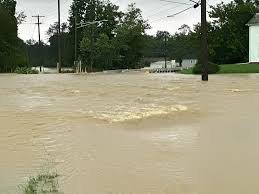
FEMA: Your Comprehensive Guide to Disaster Assistance and Recovery
When a natural disaster strikes, the aftermath can be overwhelming. Between property damage and the emotional toll of displacement, knowing where to turn for help is critical. This is where FEMA (the Federal Emergency Management Agency) steps in. But for many, the process of applying for aid can seem like a maze of bureaucracy.
In this guide, we will break down everything you need to know about FEMA, from eligibility to the application process, ensuring you have the best chance of securing the funds needed to rebuild.
What Exactly is FEMA?
FEMA is an agency of the United States Department of Homeland Security. Its primary mission is to help people before, during, and after disasters. Whether it is a hurricane, wildfire, flood, or tornado, FEMA coordinates the federal government’s response to ensure that communities can recover quickly.
How to Apply for FEMA Assistance: A Step-by-Step Process
Applying for disaster relief should be your top priority once it is safe to return to your property. Here is the most efficient way to do it:
- n
- Register Online: The fastest way to apply is via DisasterAssistance.gov.
- Use the FEMA App: Download the official FEMA mobile app to upload photos of damages and track your application status.
- Phone Application: If you lack internet access, you can call the FEMA helpline directly.
- In-Person: Visit a Disaster Recovery Center (DRC) located in your affected area.
Who is Eligible for FEMA Grants?
It is a common misconception that FEMA pays for 100% of all losses. In reality, FEMA provides Individual Assistance to meet basic needs. You may be eligible if:
- Your home suffered uninsured or under-insured losses.
- The damage is severe enough that it is unsafe to live in the home.
- You have an urgent need for food, water, or temporary shelter.
Pro Tip: FEMA assistance is intended to make your home “safe, sanitary, and functional,” not necessarily to return it to its pre-disaster condition. For full restoration, private insurance is essential.
Common Mistakes to Avoid When Dealing with FEMA
To ensure your claim is processed without delays, avoid these frequent pitfalls:
- Ignoring Insurance: FEMA cannot duplicate benefits. You must file a claim with your insurance provider first. If your insurance doesn’t cover a specific loss, FEMA may be able to step in.
- Poor Documentation: Take detailed photos and videos of all damages before you start cleaning up. Keep every single receipt for emergency expenses.
- Incorrect Contact Info: Ensure your mailing address and phone number are up to date to avoid missing critical correspondence.
Stay Prepared for the Future
While FEMA is there to help after the fact, preparation is the best defense. We highly recommend visiting Ready.gov to create a family emergency plan and build a disaster supply kit.
Recovering from a disaster is a marathon, not a sprint. By understanding how to leverage FEMA resources and keeping your documentation organized, you can navigate the road to recovery with more confidence and less stress.
📰 You May Also Like