Oil Tanker Crisis: Escalating Tensions in the Strait of Hormuz Threaten Global Energy
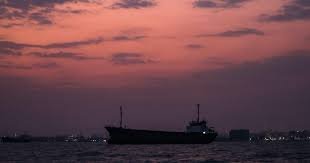
Chaos in the Strait: Why Oil Tanker Attacks are Putting Global Energy on Edge
The Strait of Hormuz, the world’s most critical chokepoint for oil and gas, has once again become a flashpoint for international conflict. Recent reports indicate a dangerous escalation in maritime warfare, with multiple oil tanker vessels striking naval mines and catching fire, threatening the stability of global energy markets.
The Battle for the Shipping Lanes
The current crisis centers on a dispute over navigation routes. The United States has encouraged commercial shippers to utilize a southern route through the strait, asserting that the lanes have been meticulously cleared of mines. However, Iran’s Islamic Revolutionary Guard Corps (IRGC) insists that vessels must only use northern routes authorized by Tehran.
The consequences of this disagreement have been immediate and severe:
- n
- Mine Strikes: At least three oil tankers have been disabled or set ablaze after striking sea mines in what Iran describes as “unauthorized” waters.
- Naval Blockades: The U.S. has responded with a counter-blockade of Iranian ports, creating a high-stakes game of maritime chicken.
- Security Alerts: The UK Maritime Trade Operations (UKMTO) has confirmed sightings of vessels on fire, highlighting the extreme risk to crew members and the environment.
A Region on the Brink: From Riyadh to Yemen
The instability in the shipping lanes is not an isolated event but part of a broader geopolitical storm. In Saudi Arabia, the capital city of Riyadh has faced ballistic missile attacks from Iran-backed Houthi rebels. These strikes have not only targeted residential areas but have also threatened critical infrastructure, including the Riyadh airport and oil refineries in the Eastern Province.
Simultaneously, the civil war in Yemen has reignited, with deadly exchanges of fire between the Saudi-led coalition and Houthi forces, further destabilizing the Red Sea coast and increasing the vulnerability of every oil tanker passing through the region.
Diplomacy vs. Military Might
While the rhetoric remains aggressive, there are quiet attempts at diplomacy. Reports suggest that U.S. Vice President JD Vance has reached out to Iranian security chief Mohsen Rezaei to restart peace negotiations via Qatari mediators. However, the path to peace is blocked by rigid demands, including the lifting of American sanctions and the release of frozen financial assets.
The economic toll is already staggering. U.S. military officials estimate the cost of the current conflict has risen to approximately $47 billion, with a significant portion spent on replacing expended munitions.
What This Means for the Global Economy
For the average consumer, the volatility in the Strait of Hormuz translates directly to the gas pump. As the IRGC continues to challenge the transit of oil tankers, the risk of supply disruptions grows. Iranian Foreign Minister Abbas Araghchi has warned that any further military misadventures in the Persian Gulf could have a “devastating impact” on international markets.
With U.S. midterm elections approaching and threats of renewed military strikes looming, the world watches the Strait of Hormuz with bated breath, hoping that diplomacy will prevail over the threat of a total energy blackout.
For more updates on international maritime security and global trade, visit the Reuters news portal or the International Maritime Organization (IMO).
📰 You May Also Like