
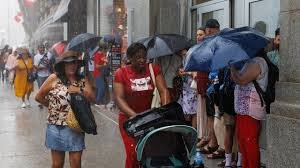
Understanding the Rise of Extreme Weather in Canada
In recent years, it has become impossible to ignore the shifts in our atmosphere. From unprecedented heat domes in British Columbia to devastating wildfires in Alberta and Quebec, extreme weather is no longer a distant threat—it is our current reality. But what exactly is driving these patterns, and how can we adapt to a world where the “unprecedented” happens every season?
What Exactly is Extreme Weather?
Extreme weather refers to weather events that are significantly different from the average or usual weather patterns of a specific region. This includes, but is not limited to:
- n
- Severe Heatwaves: Periods of abnormally hot weather that can lead to health crises.
- Flash Floods: Sudden, intense rainfall that overwhelms drainage systems.
- Intense Winter Storms: Blizzards and ice storms that disrupt infrastructure.
- Wildfires: Large-scale fires fueled by drought and high temperatures.
The Canadian Context: Why Now?
Canada is warming at roughly twice the global average, and even faster in the North. This phenomenon, known as Arctic Amplification, disrupts the jet stream, often trapping weather systems in one place for longer periods. This is why we see prolonged heatwaves or stubborn cold snaps that linger for weeks.
According to the Environment and Climate Change Canada, these shifts are directly linked to the increase in greenhouse gas emissions, which trap heat in the atmosphere and energize weather systems, making them more volatile and destructive.
How to Prepare Your Home and Family
While we cannot control the climate, we can control our level of preparedness. Taking a proactive approach to extreme weather can save lives and reduce property damage.
1. Build an Emergency Kit
Every Canadian household should have a 72-hour emergency kit. This should include:
- n
- Non-perishable food and plenty of water.
- A first-aid kit and essential medications.
- A battery-powered or hand-crank radio.
- Flashlights and extra batteries.
- Copies of important documents in a waterproof container.
2. Stay Informed
Download weather alert apps and follow local authorities. Understanding the difference between a “watch” (be prepared) and a “warning” (take action) is crucial during severe events.
3. Weatherproof Your Property
Depending on your region, consider cleaning gutters to prevent flooding, installing smoke detectors, or ensuring your heating system is serviced before the first frost.
The Path Forward: Mitigation and Adaptation
Addressing the root cause of extreme weather requires global cooperation to reduce carbon footprints. However, on a local level, supporting urban forestry and sustainable infrastructure—such as “sponge cities” that absorb excess rainwater—can mitigate the impact of flash floods.
For more detailed scientific data on global trends, the Intergovernmental Panel on Climate Change (IPCC) provides comprehensive reports on how we can transition to a more sustainable future.
Final Thoughts
Extreme weather is a challenging reality, but knowledge is our best defense. By understanding the risks and preparing our communities, we can build resilience against the elements and protect the beautiful Canadian landscapes we call home.



