
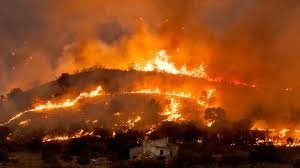
Europe Ablaze: A Continent Battling Record Heat and Infernos
Since July, parts of Europe have been transformed into scenes resembling Armageddon. Devastating wildfires have swept across the continent, with France and Spain bearing the brunt of a catastrophic combination of record-breaking heatwaves and human negligence. These blazes have not only decimated thousands of hectares of ancient forests but have also claimed numerous lives, signaling a dire warning about the current environmental climate.
The Crisis in France: Arson and Ecological Loss
France has faced some of its most challenging fire seasons since the end of World War II. One of the most heartbreaking losses occurred in the historic Fontainebleau Forest near Paris. A massive blaze destroyed approximately 2,000 hectares of woodland, forcing the evacuation of 1,000 residents and requiring the deployment of 850 emergency firefighters.
The tragedy is compounded by the cause. According to France’s Ministry of Agriculture, nine out of ten wildfires are caused by human activity—ranging from unextinguished cigarettes and campfires to deliberate arson. French President Emmanuel Macron has adopted a stance of “zero tolerance” toward arsonists, stating that every fire is an attack on the national territory.
Spain’s Struggle: The “Tinderbox” Effect
Spain is similarly besieged, with multiple wildfires tearing through regions like Zaragoza, Madrid, and Guadalajara. The situation in the Andalusia region has been particularly lethal, with fires in Almería resulting in at least 13 deaths and several people still missing.
Experts point to a dangerous phenomenon known as the “tinderbox effect.” Daniel Lacalle, chief economist at Tressis, notes that strict nature restoration policies have occasionally prevented the clearing of scrubland. When combined with extreme heat, this accumulated dry vegetation becomes highly combustible, allowing fires to spread at speeds that even seasoned firefighters find unprecedented.
Global Comparison: Europe vs. the United States
The causes of these disasters in Europe mirror those found in the United States. Data from the National Interagency Fire Center (NIFC) indicates that 85% of US fires are also human-caused. However, there is a key difference: lightning-caused fires in the US tend to burn larger areas because they typically ignite in remote, inaccessible wilderness, whereas European fires often strike closer to populated areas and protected lands.
The Science Behind the Heat
Why is this happening now? Meteorologists suggest a unique atmospheric collision. Shawn Hackett, president of Hackett Financial Advisors, explains that the extreme dryness and heat are being driven by a clash between the warm surface of the Mediterranean Sea and the cold waters of the Atlantic.
Furthermore, a study by the University of East Anglia highlights a worrying trend: while the total land burned decreased slightly between 2002 and 2021, the number of people exposed to wildfires increased by 40%. This is largely due to population growth and migration into fire-prone landscapes.
Key Takeaways from the 2026 Fire Season
- Human Influence: The vast majority of fires in France and Spain are caused by negligence or arson.
- Environmental Risk: Uncleared scrubland acting as fuel increases the intensity of the blazes.
- Health Crisis: Beyond the flames, record heatwaves have led to thousands of deaths across the European bloc.
- Urgency: The need for better land management and stricter enforcement against arson is critical.
As the heatwave is forecast to persist through August, the residents of Europe remain on high alert, hoping that increased vigilance and emergency coordination can prevent further tragedy.



