
Living with the Shake: Understanding Earthquakes in Los Angeles
For anyone living in or visiting the City of Angels, the phrase “earthquake Los Angeles” isn’t just a news headline—it’s a part of daily life. Nestled along the edge of the Pacific Plate and the North American Plate, Southern California is one of the most seismically active regions in the world.
While the thought of a “Big One” can be daunting, the key to peace of mind is not fear, but preparedness. Whether you are a lifelong Angeleno or a newcomer, knowing how to react during a seismic event can make all the difference.
Why Does Los Angeles Have So Many Earthquakes?
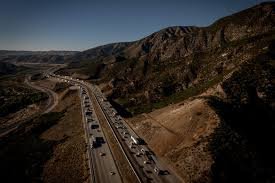
The primary culprit is the complex network of fault lines, most notably the infamous San Andreas Fault. This transform boundary allows tectonic plates to slide past each other; however, they often get stuck, building up immense pressure that is eventually released as an earthquake.
What to Do During an Earthquake: The Golden Rules
When the ground begins to shake, seconds count. Forget the old myths about standing in doorways; modern safety protocols recommend the “Drop, Cover, and Hold On” method:
- n
- DROP: Get down on your hands and knees. This protects you from being knocked over.
- COVER: Take shelter under a sturdy table or desk. If no shelter is nearby, cover your head and neck with your arms.
- HOLD ON: Grip your shelter firmly until the shaking stops.
How to Prepare Your Home and Family
You can’t stop an earthquake in Los Angeles, but you can minimize the damage to your property and ensure your family’s safety.
1. Secure Your Space
Heavy furniture, bookshelves, and electronics can become projectiles during a quake. Use seismic straps or L-brackets to anchor tall items to wall studs.
2. Build an Emergency Kit
According to guidelines from Ready.gov, every household should have a kit containing:
- n
- Water (one gallon per person per day for at least three days).
- Non-perishable food and a manual can opener.
- A first-aid kit and essential medications.
- Flashlights and extra batteries.
- A portable power bank for mobile devices.
3. Create a Communication Plan
Decide on a meeting point outside your home and designate an out-of-state contact person. Local phone lines often jam during disasters, but text messages may still get through.
Staying Informed in Real-Time
Technology has made it easier to stay updated. To get the most accurate data on seismic activity, follow the USGS (United States Geological Survey). Additionally, downloading the MyShake* app can provide a few precious seconds of warning before the shaking hits your specific location.
Final Thought: While we cannot control the earth beneath our feet, we can control our readiness. By taking small steps today, you ensure a safer tomorrow for yourself and your loved ones in the heart of Los Angeles.



