Earthquakes Explained: Understanding Seismic Activity and How to Stay Safe
Understanding Earthquakes: The Power Beneath Our Feet
Earthquakes are one of nature’s most awe-inspiring and terrifying phenomena. In a matter of seconds, the ground we trust as solid can shift, shake, and transform the landscape. But what exactly is happening deep underground when an earthquake occurs, and more importantly, how can we protect ourselves?
Whether you live in a high-risk seismic zone or simply want to be prepared for the unexpected, understanding the science of seismic activity is the first step toward safety.
What Exactly Is an Earthquake?
At its core, an earthquake is the sudden release of energy in the Earth’s crust that creates seismic waves. This usually happens when tectonic plates—massive slabs of rock that make up the Earth’s outer shell—get stuck at their edges due to friction. While the plates continue to push against each other, stress builds up over years or even centuries.
When the stress finally overcomes the friction, the rocks break or slip along a fault line, releasing a burst of energy that radiates outward in all directions. This is what we feel as shaking.
How Are Earthquakes Measured?
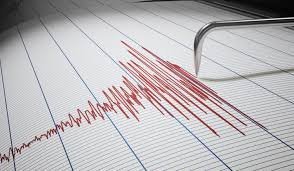
Not all earthquakes are created equal. Scientists use specialized instruments called seismographs to measure the intensity and magnitude of these events. You’ve likely heard of two main ways they are categorized:
- n
- Magnitude: This measures the energy released at the source. While the Richter scale is famous, modern seismologists typically use the Moment Magnitude Scale (Mw) for better accuracy in large quakes.
- Intensity: This measures the actual effect on people and structures at a specific location, often mapped using the Modified Mercalli Intensity Scale.
For real-time tracking and scientific data, the United States Geological Survey (USGS) is the global gold standard for monitoring seismic activity.
Essential Safety Tips: What to Do During a Quake
When the shaking starts, panic is your worst enemy. Following a few simple, proven steps can significantly reduce your risk of injury:
- DROP onto your hands and knees. This protects you from being knocked over.
- COVER your head and neck under a sturdy table or desk. If no shelter is nearby, crawl next to an interior wall.
- HOLD ON to your shelter until the shaking stops.
Preparing Your Home for Seismic Activity
Preparation is the key to survival. You cannot stop an earthquake, but you can minimize the damage to your home and family. Consider these strategic steps:
- Secure Heavy Furniture: Bolt bookshelves, wardrobes, and televisions to the walls using L-brackets.
- Create an Emergency Kit: Include water, non-perishable food, a flashlight, batteries, a first-aid kit, and essential medications.
- Identify Safe Zones: Know the safest spots in every room of your house.
- Plan Your Exit: Establish a family meeting point and communication plan in case you are separated.
For detailed checklists on building a disaster kit, visit Ready.gov, the official US government resource for emergency preparedness.
Final Thoughts
Earthquakes are an inevitable part of our planet’s geological evolution. While we cannot predict exactly when they will strike, we can empower ourselves through knowledge and preparation. By understanding the mechanics of earthquakes and implementing safety protocols, we can turn fear into readiness.
📰 You May Also Like