
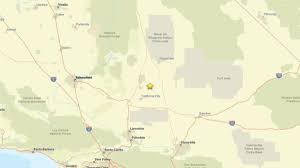
Earthquake CA: A Complete Guide to Staying Safe in the Golden State
Living in California means enjoying breathtaking coastlines, towering redwoods, and a vibrant culture. However, it also means living in one of the most seismically active regions in the world. Whether you are a lifelong resident or a newcomer, understanding the risks and knowing how to react to an earthquake in CA is not just helpful—it’s essential for survival.
Why Does California Experience So Many Earthquakes?
The primary reason for the frequent seismic activity in California is its location along the boundary of two massive tectonic plates: the Pacific Plate and the North American Plate. These plates are constantly moving, but they often get stuck due to friction.
When the built-up stress finally overcomes the friction, it releases a massive burst of energy in the form of seismic waves. The most famous example of this is the San Andreas Fault, a continental transform fault that extends roughly 800 miles through the state.
What to Do During an Earthquake: The Golden Rule
When the ground starts shaking, panic is your worst enemy. The most critical advice provided by emergency experts is the “Drop, Cover, and Hold On” method:
- n
- DROP: Drop down onto your hands and knees. This position protects you from being knocked over and allows you to stay low to avoid flying objects.
- COVER: Take cover under a sturdy table or desk. If no shelter is nearby, cover your face and head with your arms and crouch in an inside corner of the building.
- HOLD ON: Hold onto your shelter until the shaking stops. Be prepared to move with your shelter if it shifts.
What to Avoid During the Shaking
Many people instinctively run outside or stand in doorways. Modern safety guidelines suggest avoiding these actions because falling debris from the exterior of buildings (like glass and bricks) poses a significant risk.
Earthquake Preparedness: How to Get Your Home Ready
You cannot predict exactly when an earthquake in CA will strike, but you can certainly control how prepared you are. Taking a few proactive steps now can save lives later.
1. Secure Your Space
Heavy furniture, bookshelves, and electronics can become dangerous projectiles during a quake. Use seismic straps or L-brackets to bolt tall furniture to the wall studs.
2. Create an Emergency Kit
According to Ready.gov, every household should have a kit that lasts at least 72 hours. Essential items include:
- n
- Water (one gallon per person per day).
- Non-perishable food and a manual can opener.
- A first-aid kit and necessary medications.
- A battery-powered or hand-crank radio.
- Flashlights and extra batteries.
- A whistle to signal for help.
3. Establish a Family Communication Plan
Determine a meeting spot outside your home and designate an out-of-state contact person. Local phone lines often jam during emergencies, making long-distance texts or calls more reliable.
Reliable Resources for Real-Time Alerts
Staying informed is key to safety. To get the most accurate and immediate data regarding seismic activity, rely on these high-authority sources:
- n
- USGS (U.S. Geological Survey): The gold standard for earthquake magnitude and location data.
- Cal OES (California Governor’s Office of Emergency Services): For state-specific emergency directives and resource allocation.
- ShakeAlert: The earthquake early warning system that provides seconds of notice before shaking arrives.
Final Thoughts
While the thought of a major earthquake in CA can be intimidating, knowledge is the best antidote to fear. By securing your home, preparing a kit, and practicing the “Drop, Cover, and Hold On” technique, you are significantly increasing your safety and the safety of your loved ones. Stay vigilant, stay prepared, and stay safe!



