
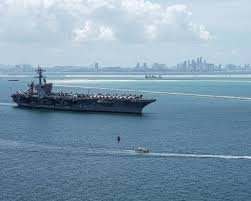
Crisis Aboard the USS Abraham Lincoln: The Human Cost of Extended Deployment
The mental and physical toll of military service is often hidden beneath the surface of strategic operations. However, recent revelations regarding the USS Abraham Lincoln carrier strike group have brought a disturbing reality to light. In a formal response to U.S. Senator Kirsten Gillibrand, Acting Navy Secretary Hung Cao admitted that the strain of a prolonged deployment has led to a severe mental health crisis among sailors.
A Mental Health Emergency at Sea
The numbers are staggering. Since the beginning of its deployment—part of the ongoing U.S. strategic efforts related to Iran—eight personnel assigned to the USS Abraham Lincoln carrier strike group have attempted suicide. This figure encompasses not only the primary crew of the carrier but also members of the airwing, destroyer squadron staff, and escorting destroyers.
The deployment was grueling, lasting 286 days at sea. While the crew was originally scheduled to return home in May, the mission was extended due to unresolved regional conflicts, pushing sailors far beyond their psychological limits. Reports indicate that some sailors attempted to jump overboard in acts of desperation, highlighting a systemic failure in providing adequate support for those on the front lines.
Beyond Mental Health: Deteriorating Living Conditions
The crisis aboard the USS Abraham Lincoln wasn’t limited to mental health. Alarming reports have surfaced regarding the basic quality of life on the vessel. Allegations include:
- n
- Unsanitary Environments: Reports of mold growth in the ship’s showers.
- Supply Shortages: A dwindling supply of basic necessities, including soap and hygiene products.
- Food Rationing: The variety of entrée options was reduced from two to one to “optimize endurance,” a move that further lowered crew morale.
While Secretary Cao acknowledged delays in replenishing supplies, the combination of poor living conditions and extreme isolation created a “perfect storm” for the crew’s declining wellbeing.
Political Clash: “Fake News” vs. Service Member Reality
The situation has sparked a fierce political battle in Washington. Defense Secretary Pete Hegseth initially dismissed media reports of the deteriorating conditions as “completely misrepresented,” echoing a sentiment that Senator Kirsten Gillibrand has slammed as disrespectful.
“What Trump and Secretary Hegseth dismissed as ‘fake news’ turned out to be serious and deteriorating conditions for our service members,” Gillibrand stated, arguing that the administration prioritizes weapons and billionaires over the basic care of U.S. troops.
As the U.S. Navy maintains its commitment to sailor health, these revelations raise critical questions about the sustainability of extended deployments and the transparency of military leadership regarding the mental health of its personnel.
Need Help? Support is Available
If you or someone you know is struggling, help is available. Please reach out to these professional services:
- n
- USA: Call or text the 988 Suicide & Crisis Lifeline at 988 or visit 988lifeline.org.
- UK & Ireland: Contact Samaritans at 116 123.
- Australia: Contact Lifeline at 13 11 14.
- International: Find local helplines at befrienders.org.



