
Colombia Earthquake: Understanding the Risks and Staying Prepared
Colombia is a country of breathtaking landscapes, from the peaks of the Andes to the shores of the Caribbean. However, its unique geographical position also makes it highly susceptible to seismic activity. When a Colombia earthquake occurs, it can impact thousands of lives, making it crucial for residents and travellers alike to understand the risks and know how to react.
Why is Colombia Prone to Earthquakes?
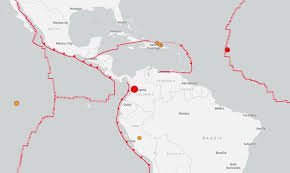
The primary reason for the frequent tremors in the region is the interaction of tectonic plates. Colombia sits atop the complex convergence of the Nazca Plate, the South American Plate, and the Caribbean Plate.
- n
- Subduction Zones: The Nazca Plate slides beneath the South American Plate, creating immense pressure that is released as earthquakes.
- Fault Systems: Numerous local fault lines crisscross the Colombian territory, particularly along the Andean mountain ranges.
- Volcanic Activity: Many seismic events are linked to the region’s active volcanoes, adding another layer of geological complexity.
How to Stay Safe During a Colombia Earthquake
Preparation is the best defense against natural disasters. Whether you are in Bogotá, Medellín, or Cali, following these safety protocols can save lives:
1. During the Tremor: Drop, Cover, and Hold On
If you feel the ground shaking, do not panic. The gold standard for safety is to Drop to your hands and knees, Cover your head and neck under a sturdy table, and Hold On until the shaking stops.
2. Avoid Elevators and Glass
Stay away from windows, mirrors, and heavy furniture that could topple over. Never use elevators during an earthquake, as power outages can leave you trapped.
3. Have an Emergency Kit Ready
Every household should have a basic survival kit including:
- Bottled water and non-perishable food.
- A first-aid kit and essential medications.
- A flashlight with extra batteries.
- A portable radio to receive official updates.
Where to Get Reliable Information
In the event of a major seismic event, avoid relying on rumors from social media. Instead, consult high-authority sources for real-time data and safety instructions. We recommend monitoring the United States Geological Survey (USGS) for global seismic tracking and the International Federation of Red Cross for disaster relief and safety guidelines.
Conclusion
While we cannot prevent a Colombia earthquake, we can certainly reduce the impact through education and preparedness. By understanding the tectonic nature of the region and implementing safety measures, we can build more resilient communities across South America.



