The Rare Magic of Richard Desjardins Returns Home
In the world of Quebec music, a performance by Richard Desjardins is more than just a concert; it is a rare event, akin to finding gold in the rugged terrain of the Abitibi region. When you combine this rarity with a full symphony orchestra to celebrate the 100th anniversary of his hometown, Rouyn-Noranda, you get something truly historic.
The atmosphere at the Osisko en lumière festival was nothing short of cinematic. The event began under a threatening sky, with torrential rains that mirrored the raw intensity of the land. Yet, for the people of Rouyn-Noranda, a storm is merely a backdrop to resilience.
A Reunion of Musical Titans
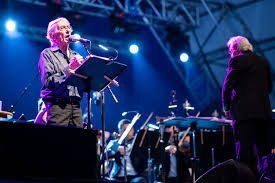
At the heart of this performance was the reunion between Richard Desjardins and conductor Jacques Marchand. Both born in 1948, their paths had crossed in youth before diverging—Marchand becoming a pillar of orchestral music and Desjardins evolving into a poetic icon of the francophone world.
The Orchestre symphonique régional de l’Abitibi-Témiscamingue (OSRAT) brought a depth to the evening that transcended mere accompaniment. For many musicians, including multi-generational families like the Riverins, playing alongside Desjardins was a lifelong dream realized.
Emotion and Authenticity on Stage
Despite the technical challenges of an outdoor gravel site, the music eventually took over. The highlight of the night arrived with the piece “Tu m’aimes-tu”, where the connection between the artist and the crowd became electric. The audience didn’t just listen; they breathed with him, completing his lyrics in a collective act of love for their city.
- Symphonic Arrangements: A revival of the powerful 2009 symphonic album.
- Community Spirit: Local musicians and fans traveling from Montreal and Quebec City.
- Poetic Bravery: A performance that balanced tenderness with sharp social critique.
The “Punk” Poet: Speaking Truth to Power
Richard Desjardins has never been one to shy away from controversy. Known as the “punk” of singer-songwriters capable of writing in perfect alexandrines, he used his platform to address the polarizing issue of the Fonderie Horne and the environmental impact of mining profits in the region.
Even with corporate sponsors in the wings, Desjardins remained authentic. He spoke of the “endless lies” and the disparity between corporate wealth and local well-being. This bold stance didn’t alienate the crowd; rather, it solidified his role as the voice of the people.
A Legacy Reclaimed
The night concluded with universal classics like “Le cœur est un oiseau” and “Jenny”, ending in a poignant slow dance with violinist Isabelle Fortin. More than just a musical success, the event was a symbolic reclamation. For a few hours, Richard Desjardins gave Rouyn-Noranda back to its citizens.
To learn more about the influence of Quebec’s musical heritage, you can explore the archives of Canadian Heritage, which documents the cultural evolution of the provinces.