Trump, Iran, and Hormuz: Oil Prices Plunge Amidst Shifting Stance on Strait of Hormuz
Global oil markets experienced significant volatility this week as Iran issued conflicting statements regarding the Strait of Hormuz, a critical waterway for global oil supply. The situation is further complicated by ongoing tensions with the United States and pronouncements from President Donald Trump. Brent crude, the international benchmark, plummeted over 9 percent on Friday, falling to $90.38 a barrel – its lowest level since March 10th.
Initial Reopening and Trump’s Response
The initial drop in oil prices followed Iranian Foreign Minister Abbas Araghchi’s announcement that the Strait of Hormuz was “completely open” during a ceasefire in Lebanon. This announcement offered a brief respite from fears of supply disruptions. President Trump quickly hailed Tehran’s decision, declaring the waterway “ready for business and full passage.” However, he simultaneously affirmed that the U.S. Navy’s blockade of Iranian ports would remain “in full force” until a comprehensive peace deal is reached.
Iran Reverses Course
The optimism proved short-lived. On Saturday, Iran retracted its commitment to reopen the Strait of Hormuz, stating it would continue to block transit as long as the U.S. blockade of Iranian ports persists. This reversal came after President Trump reiterated his stance on maintaining the blockade until Tehran reaches an agreement with the U.S., including addressing concerns over its nuclear program. This back-and-forth highlights the delicate and unpredictable nature of the geopolitical landscape.
The Strategic Importance of the Strait of Hormuz
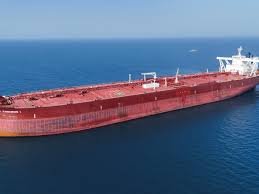
The Strait of Hormuz is a chokepoint of immense strategic importance. Approximately one-fifth of the world’s oil supply passes through this narrow waterway. Any sustained disruption to traffic through the strait would significantly constrict global oil supply, inevitably driving prices higher. The potential for further escalation remains a serious concern for energy markets worldwide. For more information on global energy security, see the International Energy Agency’s website.
Diplomatic Efforts and Increased Vessel Traffic
Amidst the escalating tensions, Pakistani officials are actively pursuing further talks between the U.S. and Iran, aiming to reach a resolution before the April 22 ceasefire deadline. Meanwhile, ship tracking data from MarineTraffic showed a notable increase in vessels crossing the strait on Saturday. Michelle Wiese Bockmann, an analyst at Windward, noted that the strait was “the busiest I’ve seen it since the Strait of Hormuz was effectively closed at the beginning of the war.” While Iran has permitted limited transit of vetted ships since the conflict began, traffic remains significantly below pre-conflict levels.
Historical Context and Market Impact
The near-total closure of the Strait of Hormuz has already triggered one of the most severe energy shocks in recent history, leading to soaring fuel prices and prompting governments to implement emergency measures. Oil prices have experienced extreme volatility since the U.S. and Israel launched strikes on Iran on February 28th, peaking at $119 a barrel on March 19th. Understanding the historical context of tensions in the region is crucial. You can find more information on the history of the Strait of Hormuz from The Council on Foreign Relations.
The situation remains fluid and requires close monitoring. The interplay between Trump’s policies, Iran’s actions, and the strategic importance of the Strait of Hormuz will continue to shape global energy markets in the coming weeks.