Oil Prices Surge Amidst Geopolitical Tensions – A Global Energy Crisis?
Rising oil prices, fueled by escalating geopolitical tensions in the Middle East, are forcing nations to urgently reassess their energy strategies. While governments are implementing short-term fixes, analysts caution that these measures may offer only temporary relief. The situation, particularly concerning the US-Israel conflict and its impact on Iran, is creating significant ripples across global energy markets.
The Strait of Hormuz and Global Oil Supply
The recent escalation has led to disruptions in critical shipping lanes. Tehran has effectively curtailed most traffic through the Strait of Hormuz – a vital artery supplying approximately one-fifth of the world’s oil – in response to US-Israeli actions that began on February 28th. With tanker traffic significantly reduced and crude oil prices soaring past $100 a barrel, major oil-importing nations like Bangladesh and Thailand are scrambling to secure fuel supplies, conserve resources, and rethink export dependencies. Monitoring these developments on platforms like TradingView provides real-time insights into market fluctuations.
Short-Term Strategies for Energy Security
Despite the urgency, analysts express doubt about the long-term viability of alternative solutions, given the Middle East’s continued dominance as the world’s primary oil and gas supplier. Here are four key strategies countries are enacting to mitigate the impact of the conflict on their fuel needs:
- India’s Return to Russian Oil: India has resumed purchasing Russian oil after temporarily halting imports due to US sanctions. A 30-day waiver from sanctions on existing Russian oil shipments helped prevent further supply disruptions and price spikes. However, the long-term availability and discounted rate of Russian oil remain uncertain, especially with increased demand from China.
- The Russian Oil Discount: From 2022 to late 2025, Russia offered India subsidized oil rates as Europe and other traditional buyers moved away from Russian crude. With the current geopolitical climate, it’s unclear if these discounts will continue.
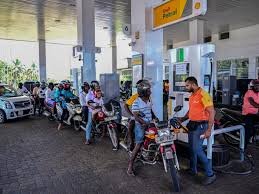
- Fuel Rationing Measures: Several countries are implementing fuel rationing to manage dwindling supplies. Sri Lanka has introduced a QR code-based system to regulate petrol and diesel distribution, while Bangladesh initially imposed daily sales limits (later suspended due to sufficient reserves).
- Alternative Export Routes: Iraq, a major oil exporter, is exploring alternative routes to transport its crude, proposing increased exports via a pipeline to Turkiye. However, negotiations with Kurdish authorities have stalled.
Remote Work and Energy Conservation
Beyond securing fuel supplies, governments are promoting energy conservation measures. Bangladesh, Pakistan, Vietnam, and Thailand have implemented work-from-home policies for government employees, encouraging similar practices in the private sector. Pakistan has even introduced a four-day working week for government staff. Thailand is encouraging stair use and online meetings to reduce energy consumption.
The Limits of Short-Term Solutions
Experts emphasize that these are largely tactical responses. Analyst Abhi Rajendran notes that the current disruption is larger than past shocks and cannot be quickly offset. Increasing production from alternative exporters like the US and Norway would take months, and inventory releases can only provide partial relief. Furthermore, the quality of crude oil varies, and refineries are configured for specific grades, making direct substitutions challenging.
Cornell University professor Fengqi You highlights that remote work can reduce oil demand, primarily through decreased commuting, but its overall national impact is limited. He stresses the need for a broader strategy encompassing cleaner electricity, building efficiency, and electrified transport. Staying informed about these complex dynamics is crucial, and platforms like TradingView offer valuable tools for tracking market trends and expert analysis.
Follow Al Jazeera English: [Link to Al Jazeera English]