The Enduring Allure of Silver: Investment, Industrial Uses & Beyond
For centuries, silver has captivated humanity. Beyond its inherent beauty, silver boasts a remarkable combination of investment potential, crucial industrial applications, and even medicinal properties. This article delves into the multifaceted world of silver, exploring its historical significance, current market trends, and future outlook.
A Historical Perspective on Silver
Silver’s story is interwoven with the history of civilization. Used as currency, ornamentation, and a store of value for millennia, silver has consistently held a prominent place in human culture. Ancient civilizations like the Egyptians, Greeks, and Romans prized silver for its rarity and luster. Its use in coinage solidified its role as a fundamental component of global trade. The discovery of silver mines in the Americas further fueled its importance during the colonial era.
Silver as an Investment: A Safe Haven?
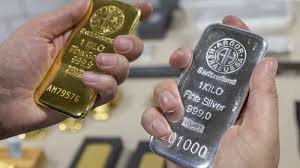
In the realm of investment, silver is often considered a ‘safe haven’ asset, meaning its value tends to hold steady or even increase during times of economic uncertainty. While more volatile than gold, silver offers potentially higher returns. Investors can gain exposure to silver through physical bullion (bars and coins), Exchange Traded Funds (ETFs) backed by silver, and silver mining stocks. Currently, the silver market is influenced by factors like global economic growth, inflation rates, and geopolitical events. You can find up-to-date market analysis on reputable financial sites like Investopedia.
The Industrial Powerhouse: Silver’s Practical Applications
Silver isn’t just about aesthetics and investment; it’s a critical component in numerous industries. Its exceptional conductivity makes it indispensable in electrical contacts and circuitry. In fact, silver is the most conductive metal known. This makes it vital for the production of electronics, including smartphones, computers, and solar panels.
- Electronics: Used in conductive inks, pastes, and coatings.
- Solar Energy: A key material in photovoltaic cells.
- Healthcare: Silver’s antimicrobial properties make it valuable in medical devices, wound dressings, and water purification systems. The National Institutes of Health has published research on silver’s antimicrobial effects.
- Automotive: Used in electrical components and catalytic converters.
The Future of Silver: Demand and Innovation
The demand for silver is projected to continue growing, driven by the expanding renewable energy sector and the increasing demand for electronics. Innovations in silver nanotechnology are also opening up new possibilities in areas like advanced materials and biomedical applications. The interplay between investment demand and industrial applications will continue to shape the silver market in the years to come. Staying informed about these trends is crucial for both investors and industry professionals.
Conclusion
Silver’s enduring allure stems from its unique combination of intrinsic value, industrial importance, and potential for future growth. Whether you’re considering it as an investment, a component in your industry, or simply a fascinating metal with a rich history, silver remains a compelling and relevant material in the 21st century.