Thailand’s Fishing Industry on the Brink: Soaring Fuel Prices Threaten Livelihoods
The tranquil waters of the Gulf of Thailand are witnessing a silent crisis. Rising fuel prices, a direct consequence of escalating tensions in the Middle East, are grounding fishing vessels and pushing Thailand’s multi-billion-dollar fishing industry to the edge of collapse. Fishermen, already operating on tight margins, are facing an unsustainable reality, with diesel prices more than doubling in a matter of weeks.
A Dramatic Price Hike
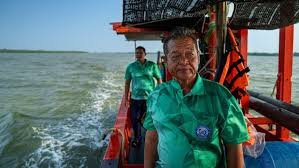
Captain Wongduen Meesamrong, a seasoned fisherman, recently returned from a 15-day voyage to find his profession jeopardized. “I’ll have to stop working for a long time,” he lamented, as his crew unloaded a meager catch in Samut Sakhon, Thailand’s largest fishing and seafood processing port. Diesel prices have skyrocketed from 83 cents a litre to over $2.22 a litre, a cost prohibitive for most in the industry. This situation isn’t isolated; tens of thousands of vessels across the country are now stranded, unable to afford the fuel needed to operate.
Thailand’s Vulnerability and Compounding Factors
Thailand’s reliance on Middle Eastern energy imports – approximately 50% of its supply – makes it particularly vulnerable to geopolitical instability. The war in the Middle East and the blockade on the Strait of Hormuz are directly impacting fuel supplies and driving up prices. Adding to the woes, a decrease in consumer spending, driven by economic uncertainty, is further reducing demand for seafood.
Seafood vendor Srinual Malithong observes a noticeable decline in customers: “I can tell that people don’t want to go out.”
Generations of Fishing at Risk
For some, like Somporn Auesrichat, this is the most challenging period in a lifetime dedicated to the sea. “But we must adjust to live with it… the sea is the lifeblood that sustains the fishers,” he states, a sentiment echoing the resilience of the community. However, for others, the situation is simply untenable. Sooksan Kanual, a 50-year-old fisherman, is contemplating a career change: “I will have to find a job on land.”
Suspicions of Fuel Hoarding and Government Response
Adding to the frustration, fishermen suspect foul play, alleging that some suppliers are hoarding fuel, anticipating further price increases. Reports indicate up to 70 million litres of oil have gone missing from the southern port city of Surat Thani, prompting an investigation by the Department of Special Investigation (DSI).
The Thai government has responded by working to increase the availability of B20, a cheaper diesel-biodiesel blend, and by implementing a small reduction in retail diesel prices (approximately 9 cents per litre). However, these measures are viewed as insufficient by many in the industry.
Economic Ripple Effects and Calls for Support
Mongkol Mongkoltrirak, director of the Samut Sakhon Fisheries Association, warns of widespread economic consequences. “Millions of people will feel the impact because fisheries is an upstream business — there are a lot of businesses connected to it.” He estimates that if over 80% of fishing vessels remain grounded, 150,000 workers could lose their jobs. He is urging the government to waive income tax for fishermen and establish a recovery fund offering interest-free loans.
Without significant intervention, Thailand risks not only the livelihoods of its fishing communities but also disruptions to seafood supplies both domestically and internationally. The future of the industry hangs in the balance, dependent on a resolution to the Middle East conflict and decisive action from the Thai government.
Further Reading