Tallahassee E-Scooter Dispute: Landlord Seeks $1 Million from Rental Companies
Tallahassee Landlord’s Million-Dollar E-Scooter Battle
For five years, Tallahassee landlord and civic activist Erwin Jackson has been locked in a frustrating dispute with e-scooter rental companies. He’s been requesting the city’s assistance in preventing dozens of electric scooters from accumulating on his properties. On April 15th, Jackson finally received a pledge from the city to help resolve the issue – a commitment he’s been waiting years for.
The Cost of Clutter: A $1 Million Claim
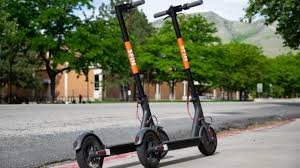
Jackson has repeatedly addressed the city commission, voicing his concerns about the abandoned e-scooters that litter his land. He’s been forced to personally round up and store these scooters, awaiting retrieval by the rental companies – a costly endeavor he estimates has reached a staggering $1 million. “I’ve had it with scooters,” Jackson stated emphatically.
Declining Ridership, Persistent Problem
Interestingly, data presented to the city commission reveals a significant decline in e-scooter ridership over the past two years. Despite this decrease, enough scooters are still being left abandoned to continue vexing Jackson. The popularity of micromobility solutions is still a topic of debate.
City Intervention and Collaborative Solutions
Following a status report on the e-scooter situation and Jackson’s property concerns, Tallahassee Mayor John Dailey directed Spin, one of the e-scooter companies operating in the city, and city staff to collaborate on a resolution. Veo, another provider, was not directly addressed in the discussion. “Dr. Jackson, I hear you loud and clear,” Dailey assured him during the meeting.
Tallahassee’s Micromobility Program
Tallahassee officially adopted a “micromobility” program in 2020, integrating e-scooters into the city’s transportation landscape. According to the Federal Highway Administration, micromobility encompasses short-distance trips using small, lightweight vehicles like bikes and scooters, particularly in urban environments.
Jackson recalls initial agreements with city officials to designate scooter-free zones, including Cascades Park and university campuses. “I don’t want them on my property either,” he emphasized, “The city promotes this as a great idea, yet exempts itself from dealing with the consequences.”
Geofencing and Parking Solutions
Mayor Dailey proposed exploring designated parking locations near Jackson’s properties and refining Spin’s “geofencing” technology. Geofencing creates virtual boundaries that trigger actions – like alerts or restrictions – when a GPS-enabled vehicle enters or exits a specific zone. Spin already utilizes geofencing to disable scooters in prohibited areas.
“Let’s see if we can get creative with some parking facilities on our property around his student housing,” Dailey suggested, expressing optimism for a collaborative solution.
Spin’s Contribution and City Revenue
Bruno Lopez, Spin’s government partnerships manager, highlighted the company’s positive impact on Tallahassee. Since the program’s inception, Spin has facilitated 663,870 rides covering 822,000 miles, generating over $650,000 in revenue for the city.
Jackson’s Financial Burden and Legal Dispute
Without city assistance, Jackson has been forced to implement his own solutions, incurring significant expenses. He hires individuals to collect abandoned scooters to prevent accidents and potential lawsuits, and also bears the costs of storage and liability insurance. He points to a clause in the city’s agreement with scooter companies stipulating a $200 daily fee for each scooter left on private property, leading him to claim he is owed $1,137,980.
Geofencing Effectiveness and Property Rights
City Commissioner Jeremy Matlow inquired about the implementation of geofencing on Jackson’s property and whether scooters continued to appear there. Mike Alfano, the planning department director, stated that geofencing was activated in 2024 and has “diminished significantly” the number of scooters Jackson encounters. However, Alfano also noted the difficulty of enforcement when Jackson actively collects and holds the scooters.
Spin provided a letter to the city asserting that Jackson is “unlawfully holding their property,” arguing that he lacks the necessary licensing to operate a tow business and charge fees for scooter release.
City’s Position and Future Collaboration
City Attorney Amy Toman clarified that the city cannot intervene in the financial dispute between Jackson and Spin, nor can it impose penalties on the company. “I believe that’s a legal issue between Dr. Jackson and Spin,” she stated.
Despite declining to intervene legally, Mayor Dailey reaffirmed the city’s commitment to working with Jackson. “I am a big fan of micromobility,” Dailey said. “I do think overall it’s been successful… but I am very well aware of the issues that you’ve been dealing with and we want to help.”
Over the past six years, e-scooters have provided nearly 664,000 rides to residents and visitors. However, ridership has decreased by approximately 43% annually since 2024.
📰 You May Also Like