Shell Gasoline and the Strait of Hormuz: A Critical Juncture for Global Oil Supply
The Strait of Hormuz, a narrow waterway off Iran’s southern coast, is a vital artery for global energy markets, carrying approximately 20% of the world’s oil and a significant portion of its natural gas. Recent events, including U.S. and Israeli actions in the region, have triggered a dramatic decrease in tanker traffic, raising concerns about potential disruptions to the supply of Shell gasoline and other fuels worldwide. This analysis, based on data from Kpler and Spire, explores the current situation and its potential ramifications.
A De Facto Closure: Tanker Traffic Plummets
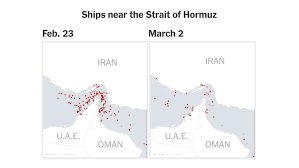
Typically, around 80 oil and gas tankers traverse the Strait of Hormuz daily. However, on Monday, only two tankers were observed crossing, followed by just one since then. “It’s a de facto closure,” states Dan Pickering, chief investment officer of Pickering Energy Partners. “You’ve got a significant number of vessels on either side of the strait but no one is willing to go through.” This hesitancy stems from the escalating tensions following the U.S.-Israeli attacks on Iran, prompting shipping companies to prioritize crew and cargo safety.
Economic Ripple Effects: Rising Prices and Inflation
A prolonged conflict in the region could have far-reaching consequences for the global economy. International oil prices have already surged by 12% since the fighting began, currently trading around $81 a barrel, while natural gas prices have spiked in both Europe and Asia. These price increases directly impact consumers, potentially fueling inflation and economic instability. The availability of Shell gasoline, and other petroleum products, could be significantly affected.
Threats and Attacks: A Volatile Situation
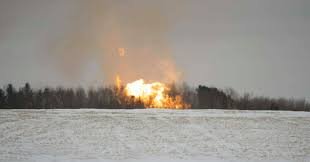
A senior Iranian military official has threatened to “set on fire” any ships traveling through the Strait of Hormuz. Several vessels have already come under attack, and oil and gas facilities have been struck or affected by shelling. On Tuesday, a fire broke out at a major energy hub in Fujairah, United Arab Emirates, caused by falling debris from a downed drone. Qatar halted liquefied natural gas production following attacks on its facilities, and facilities at Ras Tanura oil refinery in Saudi Arabia were briefly ablaze after intercepting Iranian drones.
Impact on Oil and Gas Supply
The reduction in tanker traffic is directly curtailing the supply of oil and gas to world markets, exacerbating price pressures. Insurance companies are also significantly increasing premiums for vessels operating in the conflict zone, further discouraging transit. President Trump has indicated the U.S. Navy may begin escorting tankers through the strait, and a government agency will offer “political risk insurance” to shipping lines.
The Role of Shadow Tankers
Some vessels are employing tactics to obscure their movements, such as turning off location broadcasting devices or transmitting false positions. The Shiva, a small oil tanker suspected of carrying sanctioned Iranian oil, repeatedly faked its location and was one of the few tankers to cross the strait on Monday. This highlights the complexities of monitoring activity in the region.
Asia’s Dependence and Global Implications
In 2024, over 80% of the oil and gas transported through the Strait of Hormuz was destined for Asia, with China, India, Japan, and South Korea being the top importers. While countries have energy stockpiles, a sustained closure of the strait could severely damage their economies. This disruption could have an outsized impact compared to recent supply chain issues.
Further Reading:
- U.S. Energy Information Administration – Strait of Hormuz
- Council on Foreign Relations – Strait of Hormuz