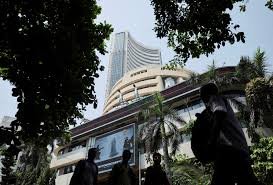
The Sensex, officially known as the S&P BSE Sensex, is a free-float market-weighted stock market index of 30 well-established and financially sound companies listed on the Bombay Stock Exchange (BSE). It’s widely considered the most important indicator of the Indian stock market and a bellwether for the country’s economic health. But what exactly *is* the Sensex, and why should you care?
What Does the Sensex Represent?
Think of the Sensex as a snapshot of how the largest companies in India are performing. It doesn’t include *every* company listed on the BSE, but rather a carefully selected group representing major sectors of the Indian economy – from finance and energy to technology and consumer goods. The index value is calculated based on the free-float market capitalization of these 30 companies, meaning only shares readily available for trading are considered. This provides a more accurate reflection of market sentiment than simply using total market capitalization.
A Brief History of the Sensex
Launched on January 1, 1986, the Sensex started with a base value of 100. Its early years saw relatively slow growth, but the liberalization of the Indian economy in the 1990s spurred significant expansion. Over the decades, the Sensex has experienced periods of rapid ascent, dramatic declines (like during the 2008 financial crisis and the COVID-19 pandemic), and steady recovery. Tracking its historical performance provides valuable insights into India’s economic trajectory.
Factors Influencing the Sensex
Numerous factors can influence the Sensex’s performance. These include:
- Economic Growth: Strong GDP growth, rising industrial production, and positive economic forecasts generally boost investor confidence and drive the Sensex higher.
- Monetary Policy: Decisions made by the Reserve Bank of India (RBI) regarding interest rates and money supply have a significant impact. Lower interest rates can encourage borrowing and investment, while higher rates can curb inflation but potentially slow economic growth.
- Global Markets: The Sensex is not immune to global economic trends. Events in major economies like the US and China, as well as fluctuations in oil prices, can affect investor sentiment.
- Political Stability: Political uncertainty or major policy changes can create volatility in the market.
- Corporate Earnings: The financial performance of the companies comprising the Sensex directly impacts its value. Strong earnings reports typically lead to stock price increases.
How the Sensex Impacts You
Even if you don’t directly invest in the stock market, the Sensex can affect your financial life. It’s a key indicator of economic health, influencing consumer confidence, investment decisions, and overall economic growth. For those who *do* invest – whether through mutual funds, exchange-traded funds (ETFs), or directly in stocks – understanding the Sensex is crucial for making informed decisions. Many investment products are benchmarked against the Sensex, meaning their performance is measured relative to its returns. You can find more information about investing in India at the Bombay Stock Exchange website.
Where to Track the Sensex
Staying informed about the Sensex is easy. You can find real-time updates on:
- Bombay Stock Exchange (BSE) Website
- Major financial news websites like Reuters and Bloomberg
- Financial apps and platforms