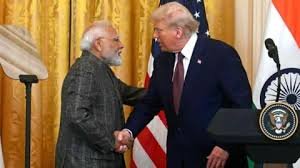
Sensex Gains Momentum as Trump Reduces Tariffs on Indian Goods
A wave of optimism swept through India’s financial markets, particularly impacting the Sensex, following US President Donald Trump’s decision to lower reciprocal tariffs on Indian imports. The reduction, from 50% to 18%, offers a significant reprieve to Asia’s third-largest economy, though specific details of the agreement remain under wraps.
Previously, India faced the highest tariffs globally after Trump increased import duties on Indian goods last year, citing concerns over Delhi’s purchase of discounted Russian oil and its potential funding of Russia’s war effort in Ukraine. Following a recent call with India’s Prime Minister Narendra Modi, Trump asserted that Modi had “agreed to stop buying Russian oil, and buy much more from the United States, and potentially Venezuela.” While India hasn’t officially confirmed these claims, Prime Minister Modi expressed gratitude to Trump “on behalf of the 1.4 billion people of India” and voiced hopes for an unprecedented strengthening of the US-India partnership.
From Trade War to Thawing Relations
This shift marks a significant turnaround from the strained trade relations that emerged during Trump’s earlier trade war. The tariffs had negatively impacted Indian exports to the US, particularly in key job-creating sectors like textiles, seafood, and jewellery. This prompted India to aggressively pursue alternative trade agreements and diversify its export markets. Notably, India and the EU recently announced a comprehensive trade deal, eliminating tariffs on 80-90% of goods – Delhi’s ninth free trade agreement in just four years.
Market Reaction and Industry Optimism
The announcement was met with widespread approval from Indian industry leaders. Nilesh Shah, a fund manager, noted that the tariff reduction “removes a hanging sword over the rupee, equity and rates market,” expressing hope for a mutually beneficial outcome. The previous tariff-related uncertainty contributed to India’s widening trade gap, a weakening rupee, and a decline in foreign investment.
The new 18% tariff aligns India with other Asian economies like Vietnam, Thailand, and Bangladesh, which face duties between 19% and 40% on US exports. Shilan Shah of Capital Economics highlighted that this development significantly enhances India’s attractiveness as an alternative to China for companies seeking to reconfigure their supply chains. India’s advantages include low labour costs, political stability, and a substantial domestic market.
Textile Exporters Celebrate Potential Gains
Indian textile exporters are particularly enthusiastic, anticipating improved competitiveness in the US market, the largest export destination for Indian textiles and apparel. However, trade experts caution against premature celebration, emphasizing the need for clarity on several key aspects.
Remaining Questions and Cautious Optimism
Ajay Srivastava of the Global Trade and Research Initiative (GTRI) pointed out unanswered questions regarding the scope of the agreement, timelines, and whether India has committed to zero tariffs and non-tariff barriers, especially in sensitive sectors like agriculture. GTRI also expressed skepticism regarding Trump’s claims about Modi’s commitment to purchase over $500 billion worth of US goods, given current import levels.
Despite these reservations, the breakthrough in negotiations is viewed as a positive step. The US-India Strategic Partnership Forum stated that this is just the beginning, with further negotiations anticipated. From a geopolitical perspective, the thawing of relations could potentially shift India’s foreign policy alignment, potentially leaning more towards the US after a period of closer ties with China and Russia.
Further Reading: For more in-depth analysis of global trade dynamics, consider exploring resources from the World Trade Organization (WTO) and the International Monetary Fund (IMF).