Oman and the Strait of Hormuz: A Cautious Reopening Amidst Global Tensions
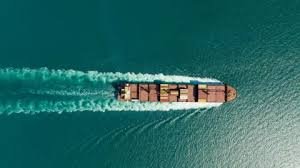
A French-owned container ship has successfully transited the Strait of Hormuz, marking a significant development over a month after escalating tensions effectively disrupted this vital global shipping lane. The vessel, flagged in Malta and operated by CMA CGM, completed the passage on Friday, as confirmed by BFM TV, a media outlet owned by the shipping company. CMA CGM has refrained from providing further comment.
First Western European Firm to Navigate the Strait Since Conflict Began
This transit represents the first instance of a ship owned by a major Western European firm navigating the strait since the onset of the recent conflict, according to shipping analysts at Kpler. While Iran has stated that “non-hostile vessels” are permitted to use the waterway, ongoing hostilities – including several ship attacks – have severely curtailed normal shipping activity.
Tracking data indicates the French-owned ship maintained a close proximity to the Omani coastline, on the side of the waterway opposite Iran. The nature of the ship’s cargo remains undisclosed.
Japanese Vessel Also Successfully Transits
In a related development, Japanese shipping giant MOL confirmed the safe passage of one of its vessels, carrying natural gas, through the Strait of Hormuz. “The safety of the vessel and all crew members have been confirmed,” MOL stated, emphasizing their commitment to crew, cargo, and vessel safety.
Oman’s Coastline as a Safe Passage?
Maritime intelligence reports from Lloyd’s List reveal that several ships traversing the strait on Thursday followed a similar route, staying “unusually close” to the coast of Oman. This suggests a perceived safer passage along the Omani side of the waterway.
Global Implications and Oil Prices
The Strait of Hormuz is a critical chokepoint for global energy supplies, handling approximately a fifth of the world’s oil and liquid natural gas. The conflict-induced disruption to shipping led to a significant slowdown in traffic – down roughly 95% compared to pre-conflict levels – and a subsequent surge in global oil prices, contributing to rising fuel costs and fears of increased inflation worldwide. While completely halted initially, approximately 100 vessels have managed to pass through the strait since late March, averaging five to six ships daily.
Geopolitical Considerations and Regional Efforts
The situation highlights the delicate geopolitical balance in the region. Nations heavily reliant on Middle Eastern energy are actively seeking agreements to ensure continued supply. Concerns remain regarding potential attacks on shipping in the Red Sea, which could further exacerbate global economic challenges. Recent incidents, such as the investigation into forged documents aboard the Sea Owl One, underscore the complexities of maintaining maritime security.
Maersk chief executive Vincent Clerc has urged the US, Israel, and Iran to pursue “some kind of deal” to de-escalate tensions and stabilize the region. The BBC’s Orla Guerin recently reported from the edge of this critical waterway, highlighting the stranglehold Iran currently holds on global shipping routes.
Source: BBC News